
What Does ‘Jiak Kantang’ Really Mean, and Why Should It Be in the Dictionary?
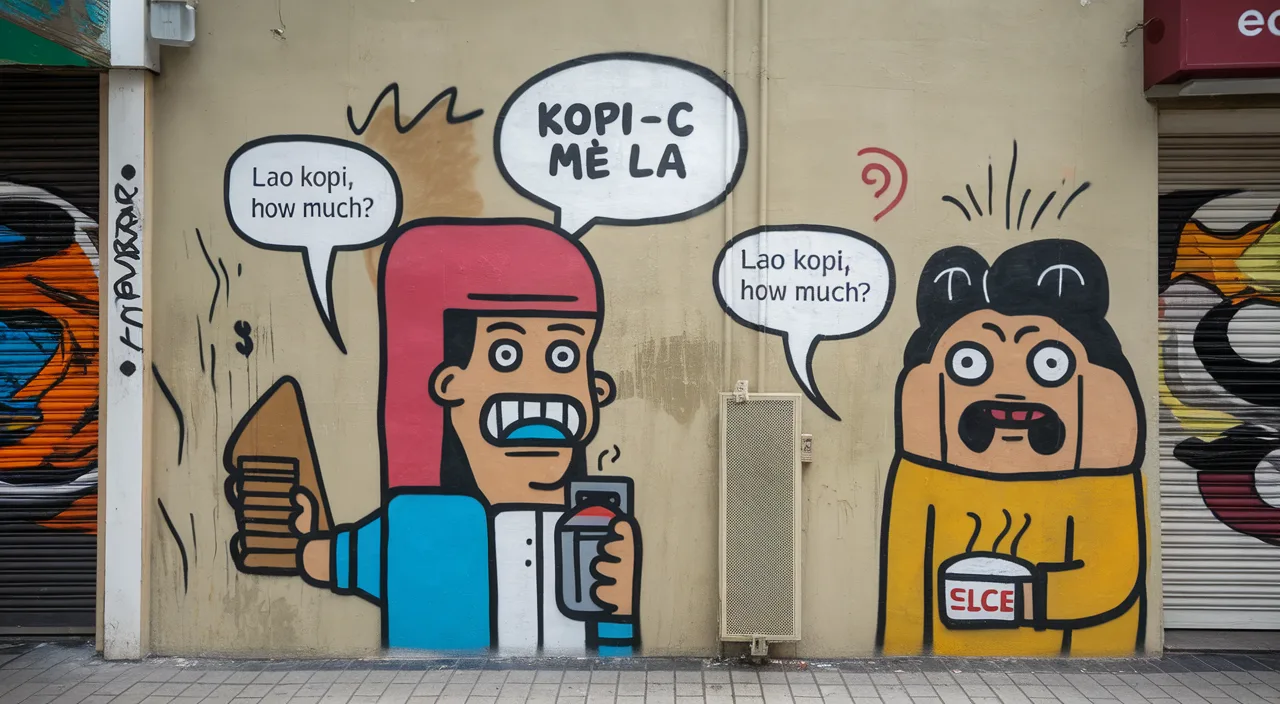
Jiak kantang in Singlish literally translates to ‘eat potato’, but metaphorically, it’s a cheeky way of saying someone acts or thinks in a very Westernized manner—speaks with a foreign twang, prefers mash instead of rice, you get the vibe. While it may sound like casual teasing, it reveals layers about Singapore’s multicultural upbringing, post-colonial influences, and linguistic creativity that deserve deeper attention—and yes, a legit entry in the dictionary!
TL;DR:

- Jiak kantang means ‘eat potato’ but implies being Westernized or ‘ang moh pai’.
- It originated during post-colonial times when English-educated locals were seen as different from their Chinese-educated peers.
- Has evolved from insult to inside joke to cultural label, depending on usage.
- Captures Singapore’s hybrid, multicultural, humorous identity through language.
- Deserves a dictionary spot due to its rich historical, social, and linguistic significance.
The Origins of Jiak Kantang
If you grew up hearing your auntie nag, “Wah, now you jiak kantang already ah?”, chances are you’ve already experienced what it’s like to be lovingly accused of ‘going ang moh’. But where did this curious phrase even come from?
In the pre-independence and early independence eras, Singapore was deeply divided along separate education streams. There were Chinese-medium schools, Malay schools, Tamil schools—and the English-language schools, often seen as more elite or Western. As a result, those who attended English schools and started adopting Western habits, accents, or views, were stereotyped as behaving like Westerners. Hence, jiak kantang—’eat potato’, as opposed to eating rice, the traditional Asian staple.
This potato versus rice metaphor took on symbolic meaning. Eating rice was “Asian,” traditional, rooted. Potato? Imported lah, like the colonial rulers who ate steak and mashed potatoes. Over time, jiak kantang became code for viewing someone as overly English-speaking, Western-leaning, or even culturally ‘detached’.
Evolution of Jiak Kantang in Local Culture
-

-
hashtag, KaoBeiKing, Quote, Singlish/Hokkien, T-shirts, Typography
Price range: $30.00 through $38.00 Select options This product has multiple variants. The options may be chosen on the product page


From Stereotype to Self-Aware Slang
What’s striking about jiak kantang is how it changed meaning over generations. What began as a slight now ranges from affectionate teasing to cultural in-joke.
In the 1980s and 90s, growing up English-speaking could be seen as both trendy and suspicious. Kids who preferred McDonald’s over chicken rice, or who used MTV slang like “cool” and “whatever lah,” were playfully accused of being jiak kantang. It touched a nerve—because it often signaled class, identity, and a departure from “heartlander” norms.
In recent years, the internet, memes, and TikTok have transformed the term. Now, you’ll see people proudly calling themselves jiak kantang as a badge of bilingual, bicultural fusion. You see a friend ordering cold brew coffee while listening to Taylor Swift? “Wah, jiak kantang vibes lah.” But nobody’s angry—it’s all in good fun.
Why Jiak Kantang Deserves a Spot in the Dictionary
Some people might ask—Why bother putting jiak kantang in the dictionary? Isn’t it just… slacker slang? The truth is, this phrase captures more than just a joke. It’s a linguistic x-ray of Singaporean identity.
1. Rich Cultural Roots
Unlike imported slang, jiak kantang is 100% born-in-SG. It carries cultural DNA—between East vs West, tradition vs modernity, rice vs potatoes. Try translating it literally or explaining without cultural knowledge—it instantly loses flavour.
2. Still Actively Used
Walk down any polytechnic canteen, or scroll TikTok comments on someone code-switching accents, and it’s right there—”Steady lah, full jiak kantang mode activated.” It’s not obsolete old slang. It’s living local language.
3. Multilayered Usage
Linguists love words with polysemous meaning—terms that morph based on tone, setting, and speaker. Jiak kantang can be sarcastic, playful, neutral, or even affectionate. That flexibility makes it dictionary-worthy, because it behaves like a real, working word.
4. Authentically Singaporean
If we’re serious about preserving our unique ‘rojak’ culture, documenting Singlish is part of that mission. Singapore isn’t just skyscrapers and CBD hustle—it’s kopi tiam jokes, dialect phrases, and yes, jiak kantang declarations. Every locally grown term we document makes our heritage stronger.
-
hokkien, Quote, Romper, singlish, Typography
$25.00 Select options This product has multiple variants. The options may be chosen on the product page -
Graphic, KaoBeiKing, Parody, Singlish/Hokkien, T-shirts, Women
Price range: $30.00 through $38.00 Select options This product has multiple variants. The options may be chosen on the product page


Unique Characteristics of Singlish Terms
Now let’s zoom out. Why are Singlish phrases like jiak kantang so unforgettable? It boils down to these core traits:
- Metaphorically Rich: Most Singlish slang isn’t literal. ‘Jialat’, ‘bo jio’, ‘catch no ball’—all metaphor-driven.
- Emotionally Loaded: One word communicates attitude, emotion, background info, and insider status.
- Multilingual Fusion: We borrow from English, Malay, Hokkien, Cantonese, Tamil—and mash them up lah!
- Context-Dependent: Same word can change flavor based on how you say it—tone matters.
Jiak kantang ticks all these boxes. It’s charming because it feels like a linguistic inside joke only Singaporeans get, reinforcing community vibes through speech.
Jiak Kantang in Modern Conversations

Everyday Usage Today
You’ll hear jiak kantang in school canteens, coffee shop queues, or even in WhatsApp groups where someone says “Let’s go Shake Shack” and the reply is “Wah, you so jiak kantang now ah?” It’s equal parts roast and respect.
Some real-life use cases:
- In schools: “This one jiak kantang during Chinese lesson, don’t understand anything.”
- At hawker centres: “Got carbonara? Here hawker centre, not for jiak kantang one!”
- In friend banter: “You and your oat latte lah—jiak kantang king!”
It’s Not an Insult (Most of the Time)
Like many Singlish phrases, jiak kantang walks a fine line. Said with love, it’s adorable. With a sneer, it stings. That’s the brilliance—it teaches us social cues. When NOT to use it? During job interviews, lah. Otherwise, it’s all part of our daily lingo melody.
Final Thoughts: From Tease to Treasure
Jiak kantang is more than just local slang—it’s the voice of a generation navigating the crosswinds of tradition and modernity. Whether you grew up on porridge or Pop-Tarts, this playful phrase taps into Singapore’s shared identity, one potato joke at a time.
Maybe it’s time we stopped treating Singlish like a second-class citizen. And maybe—just maybe—we put jiak kantang in the dictionary so that future generations understand what it means to laugh, tease, and link arms the Singaporean way.
Frequently Asked Questions
- What does jiak kantang mean literally?
It literally means “eat potato” in Hokkien-singlish blend, but colloquially refers to Westernized behavior. - Where did jiak kantang originate?
The phrase stems from post-colonial Singapore, contrasting Western habits (potatoes) with Asian ones (rice). - Is jiak kantang an insult?
Not always. It can be teasing, affectionate, or even self-referential depending on tone and context. - Do Singaporeans still use the term?
Yes! Especially among Gen Z and millennials. It’s common slang online and in everyday convo. - Can non-Singaporeans use jiak kantang?
You can try, but use it carefully. It’s very context-specific and can sound awkward if misused. - Does it only apply to Chinese Singaporeans?
Nope! But its origins are rooted in Chinese dialect slang. Today it’s used more cross-culturally. - Should jiak kantang be in the dictionary?
Definitely. It has cultural, social, and linguistic value that reflects Singapore’s unique identity.