Your Cart

KAOBEIKING | SINGAPORE STREETWEAR T-SHIRT DESIGNER

FREE SHIPPING ABOVE S$88 IN SINGAPORE

News & Article

So Suay Meaning: Complete Guide to Singapore's Most Relatable Singlish Expression

So Suay Meaning: Complete Guide to Singapore’s Most Relatable Singlish Expression

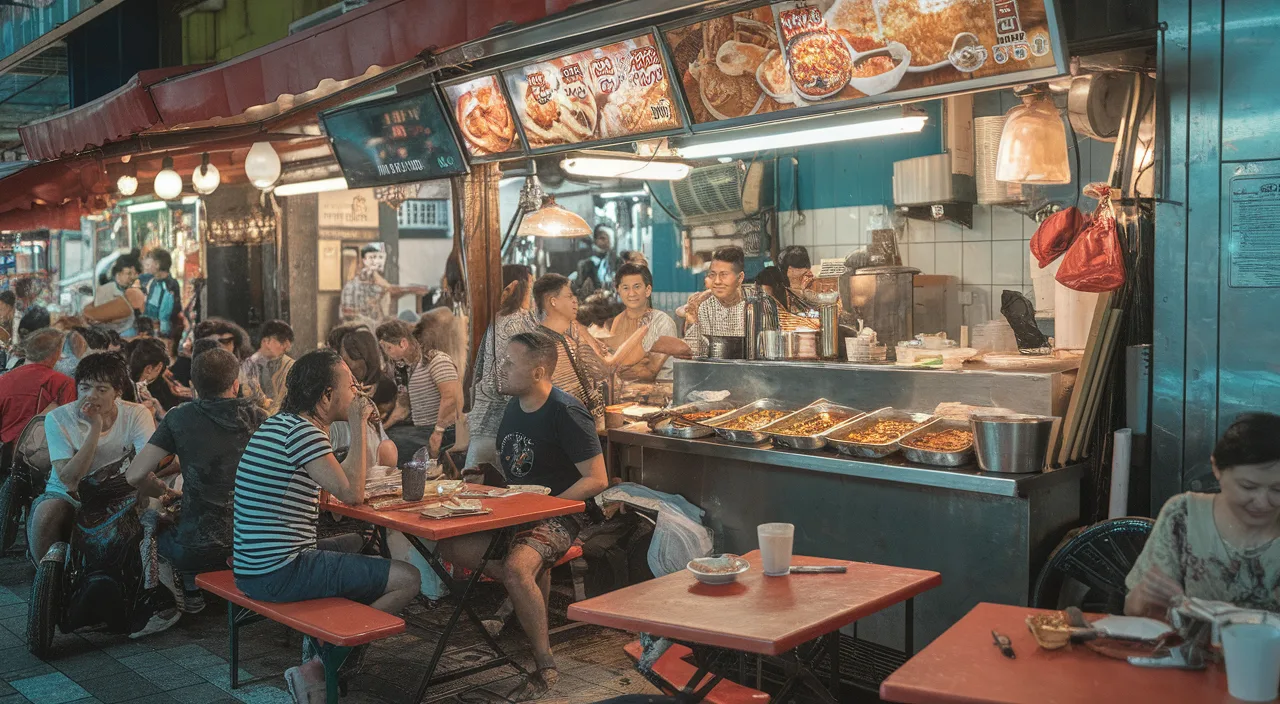
So suay meaning decoded: Let’s talk about ‘so suay’ – the ultimate Singlish phrase for pure, next-level bad luck. If you’ve ever missed your MRT by one second, spilled kopi on your white shirt before a date, or kena bird poop during lunch, guess what? That’s ‘so suay’ in living colour. In this comprehensive guide, we explore the so suay meaning, its cultural significance in Singaporean daily life, and how it’s woven into conversations from kopitiams to office gossip sessions. We’ll break down how to use ‘so suay’ naturally, why it’s more than just complaining, and share real-life examples you’ll definitely recognize. Whether you’re Singaporean, perpetually unlucky, or an expat trying to decode Singlish expression ‘so suay’, this guide will help you understand and use it like a true-blue local. After all, in Singapore, suay-ness is practically a shared language that brings us all together.

Master Action Only: The Ultimate Singlish Phrase to End Any Argument

Master Action Only: The Ultimate Singlish Phrase to End Any Argument

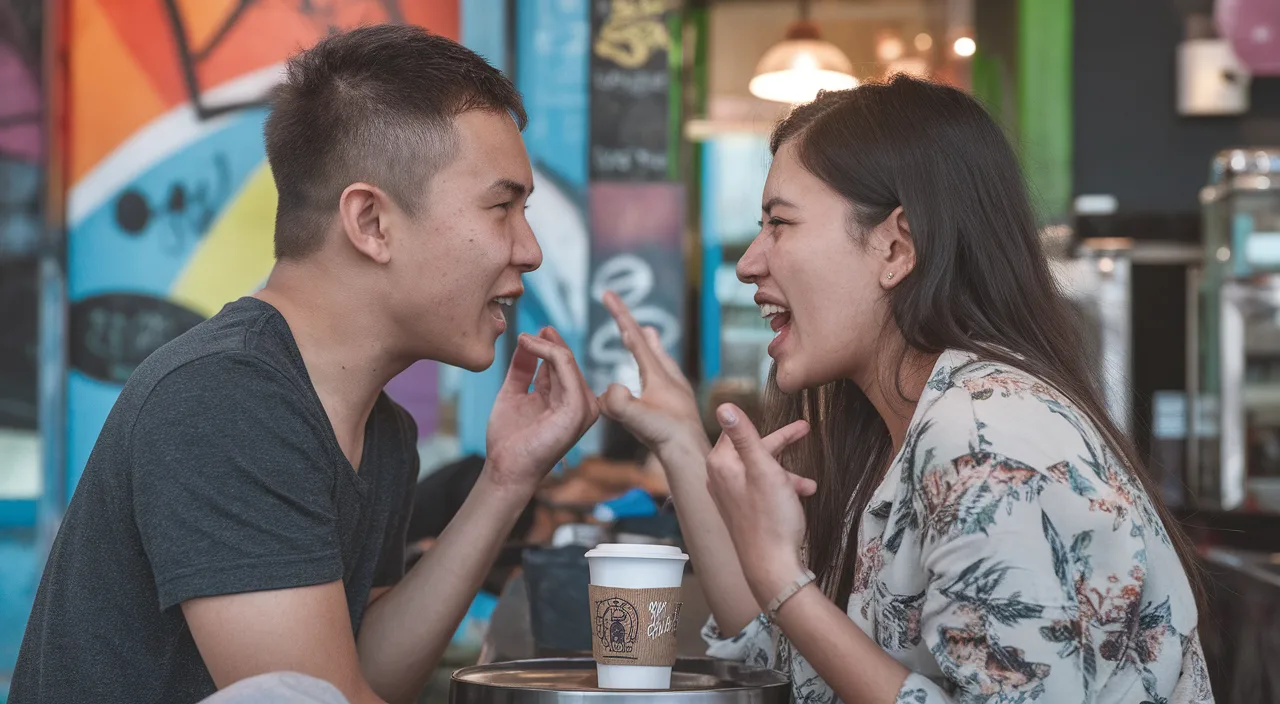
If you’ve ever been caught in a typical Singaporean argument — fiery but laced with humour — chances are someone ended it with a sharp, punchy phrase: Action only. This iconic Singlish expression has been tossed around kopitiams, classrooms, and family WhatsApp chats for years. In this comprehensive cultural breakdown, we explore how Action only evolved into the ultimate way to call someone’s bluff, settle petty disputes, or shut down over-the-top boasts. More than just a phrase, it’s a cheeky badge of local warfare—with less punching, more paiseh. We’ll dive into real-life examples, practical ways to use it, and how understanding this one Singlish phrase unlocks insight into how Singaporeans argue, forgive, and carry on like nothing happened. Whether you’re a Gen Z TikToker or ’80s kid who remembers arguing over Five Stones rules, you’ll understand why Action only is timeless, useful, and uniquely Singaporean.

Ah Lian Singapore: Complete Guide to Singlish Culture and Fashion Trends

Ah Lian Singapore: Complete Guide to Singlish Culture and Fashion Trends

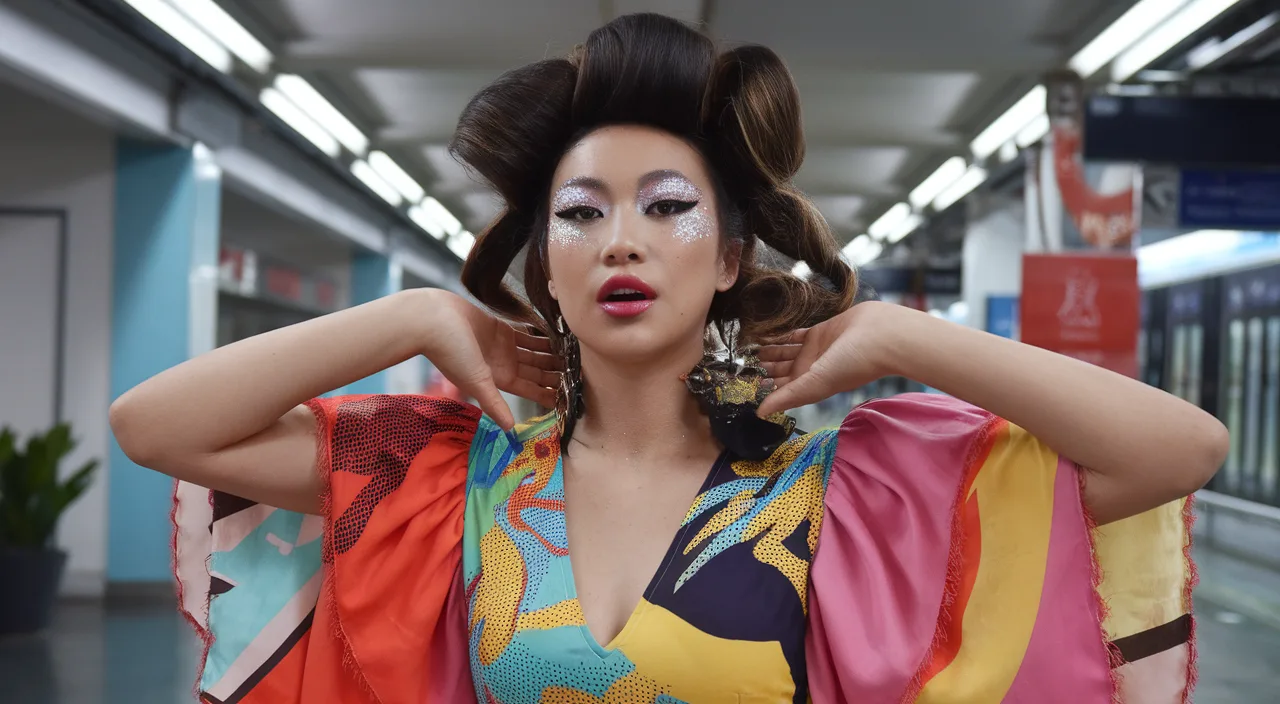
Ah Lian is more than just a stereotype—it’s an attitude, a fashion statement, and a reflection of Singapore’s vibrant, unapologetic youth culture. From the unmistakable Singlish sass to the instantly recognizable style, every Singaporean has an Ah Lian story, or at least a friend who gives off serious Lian energy. This article is your deep dive into all things Ah Lian: how the term came about, why people started using it (sometimes offensively, sometimes lovingly), and how it’s morphed into a badge of pride for many. Whether you’re confused by the difference between Ah Lian and Ah Beng, or you’re secretly in love with leopard print, we got you. Discover the evolution, the stereotypes (and why they don’t hold up), the pop culture moments, the latest Ah Lian fashion trends in Singapore, and why you just might be a little bit Lian yourself.

Master 'I Tell You First' in Singlish: Complete Guide to Confident Usage

Master ‘I Tell You First’ in Singlish: Complete Guide to Confident Usage

In Singapore, Singlish is more than just broken English — it’s a badge of local identity, lah. But if you’re unsure how to navigate Singaporean social dynamics when using phrases like ‘I tell you first’, you’re not alone. This article breaks down the meaning, usage, and vibes behind ‘I tell you first’, a phrase loaded with intention and layered with nuance. Learn how to drop it like a pro during conversations without getting judged by your kaypoh friends. We also spill the unwritten rules, real-life scenarios, and how you can confidently embrace local communication styles. Whether you’re a Gen Z local or a young kaki trying to vibe more authentically, here’s your full guide to mastering ‘I tell you first’ — the Singlish secret weapon you never knew you needed.

Why 'In Case Later Kena' Is the Ultimate Test of Your Singaporean Street Cred

Why ‘In Case Later Kena’ Is the Ultimate Test of Your Singaporean Street Cred

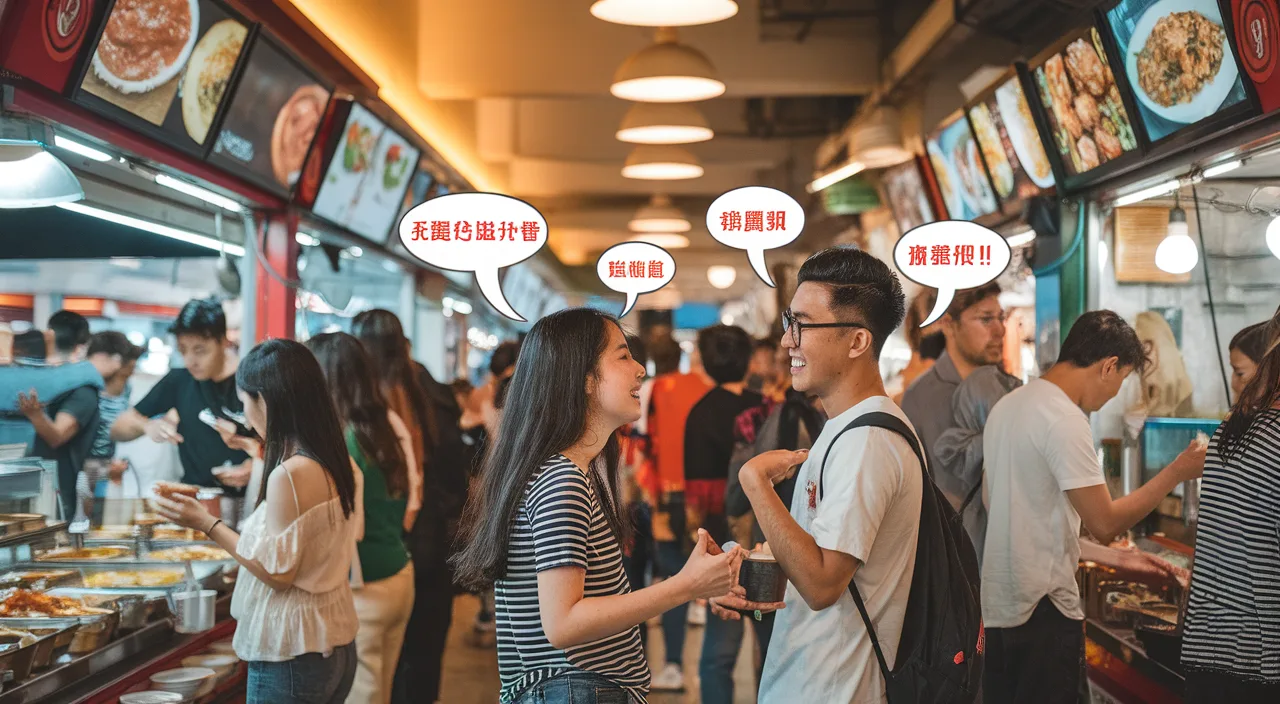
Singlish phrases are more than just quirky words—they’re battle cries of the kopi tiam, the soul of hawker queues, and street-level Shakespeare for every true blue Singaporean. One phrase, though, reigns supreme in wrapping up our local worry-wart instincts: ‘In case later kena’. This expression packs a punch with its cautious optimism and social sixth sense. In this dive into Singlish culture, we unravel what makes this phrase so iconic, explore the nuances of its usage, and track its place in our evolving linguistic identity. From misunderstood shorthand to national treasure, ‘In case later kena’ reflects the realness of Singaporean life, where being over-prepared isn’t just smart—it’s standard. Whether you’ve grown up hearing it from your ah ma or you just got scolded by your colleague for not bringing an umbrella (eh, in case later kena rain leh!), this deep-dive has something for every Gen Z or local-loving professional who wants to better understand the hidden beauty behind the way we talk. Time to flex your la, lor, and kena muscles and gain street cred along the way.

What Does Rubber Time Mean in Singapore? Complete Singlish Slang Guide

What Does Rubber Time Mean in Singapore? Complete Singlish Slang Guide

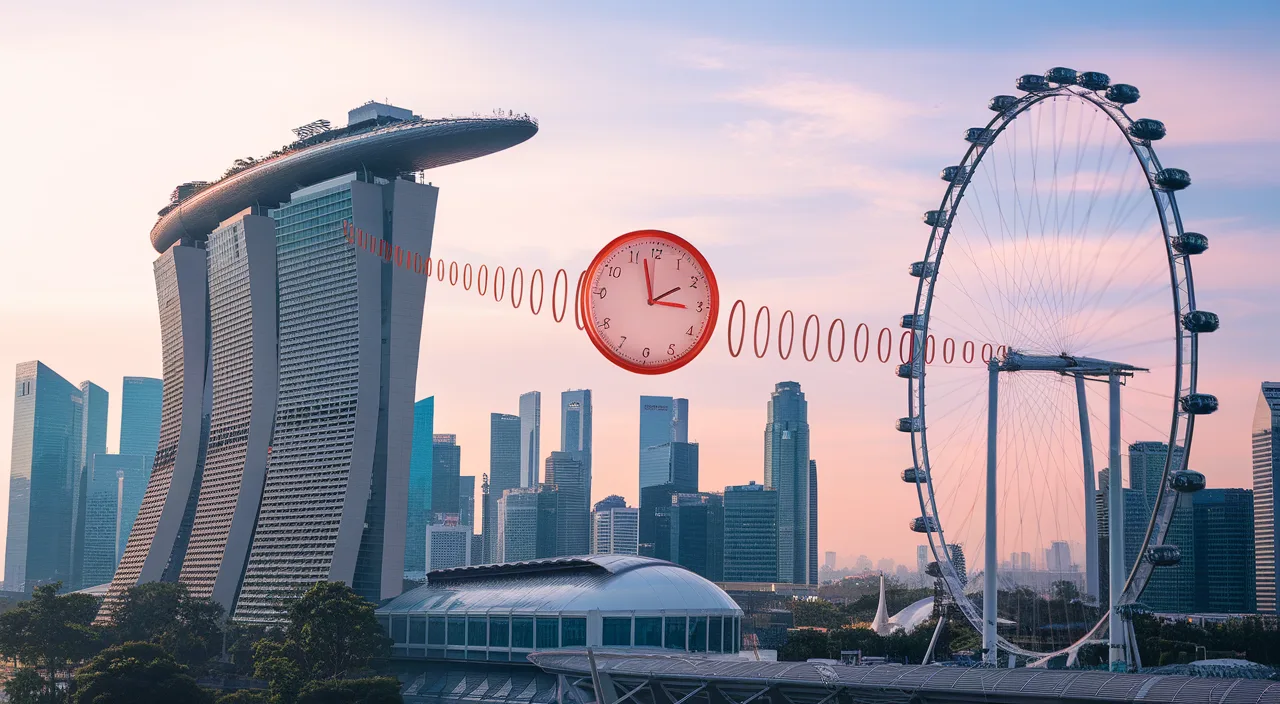
What Does Rubber Time Mean in Singapore? Complete Singlish Slang Guide is your ultimate insider’s guide to this unique Singlish slang. Whether you’re a true-blue Singaporean or a blur sotong expat still decoding Singlish slang, this blog will uncover the deeper cultural nuances in Singapore tied to ‘rubber time’. It’s not just being late — it’s a whole vibe. From casual kopi meetups to work meetings, we’ll explain the importance of context in language, where ‘rubber time’ applies, why it exists, and how it reflects everything from our kiasu-kiasi attitudes to our casual-relatable way of expressing ourselves. With real-life examples, witty takes, and a sprinkle of complain-but-still-love-it energy, we explore how understanding this uniquely Singaporean expression reveals larger truths about our local culture.

Must Say Until Like That Meh - The Ultimate Guide to This Iconic Singlish Phrase

Must Say Until Like That Meh – The Ultimate Guide to This Iconic Singlish Phrase

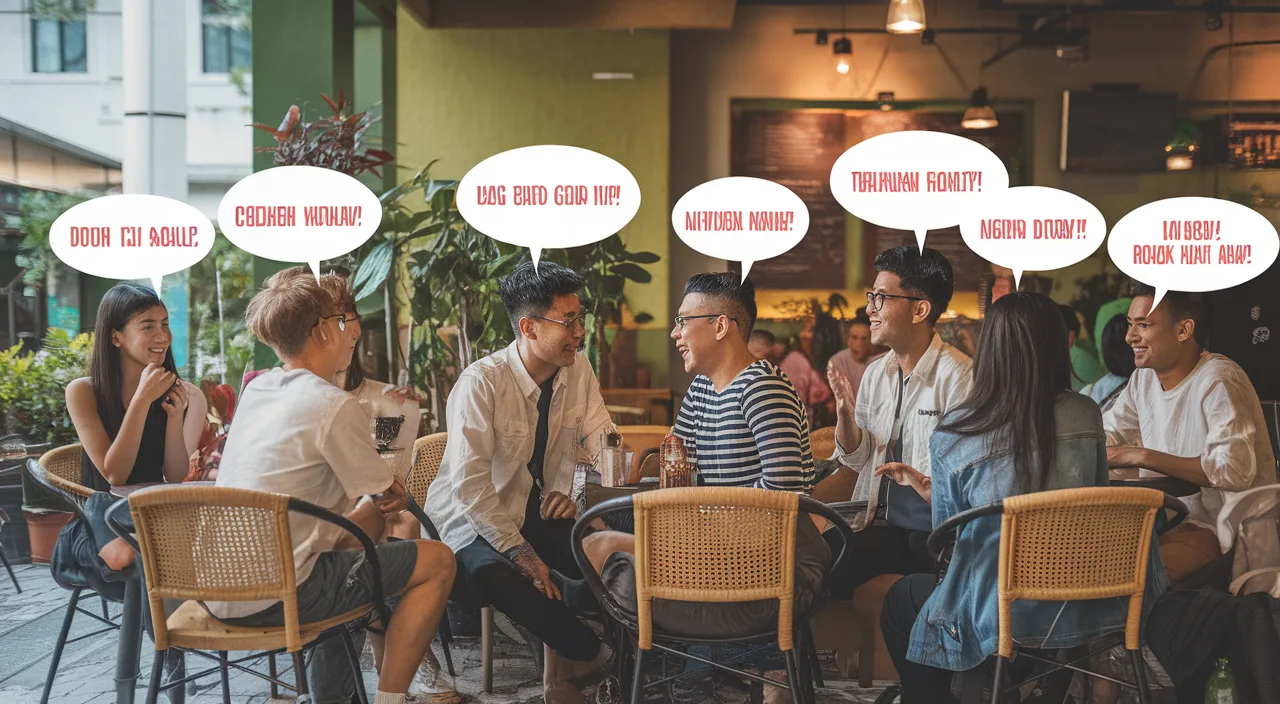
Singlish is more than broken English—it’s a badge of cultural pride, and ‘Must say until like that meh’ is one of its most iconic battle cries. This phrase, often puzzled over by outsiders, captures a uniquely Singaporean ability to express disbelief, sass, and camaraderie, all in one go. In this deep dive into The True Power of Saying ‘Must say until like that meh’, we unpack its cultural weight, everyday uses, and why Gen Zs and young professionals still cling to it even in formal settings. Learn how Singlish slang shapes daily interactions, and how you can master this delightful dialect effortlessly.

How to Use 'Gai Gai' Confidently Without Getting Side-Eyes From Friends

How to Use ‘Gai Gai’ Confidently Without Getting Side-Eyes From Friends

Ready to stop awkwardly mumbling ‘gai gai’ like it’s forbidden vocabulary? This guide is your no-judgment pass to mastering how to use ‘gai gai’ without getting judged by your friends. We dive into the cultural roots of this charming Singlish phrase, tips for embracing Singlish slangs, and how to slip ‘gai gai’ into everyday convo without sounding like you’re trying too hard. Whether you’re dealing with language purists or trying to keep up with your ah ma, we’ve got step-by-step advice—and cheeky real-life examples—to help you conquer conversation guilt and speak Singlish like a pro. Learn how to confidently say ‘Wanna go gai gai?’ without catching side-eyes, while understanding the cultural significance of ‘gai gai’ in Singapore. A must-read for anyone keen on embracing Singlish in social settings and breaking the stigma around local phrases.