
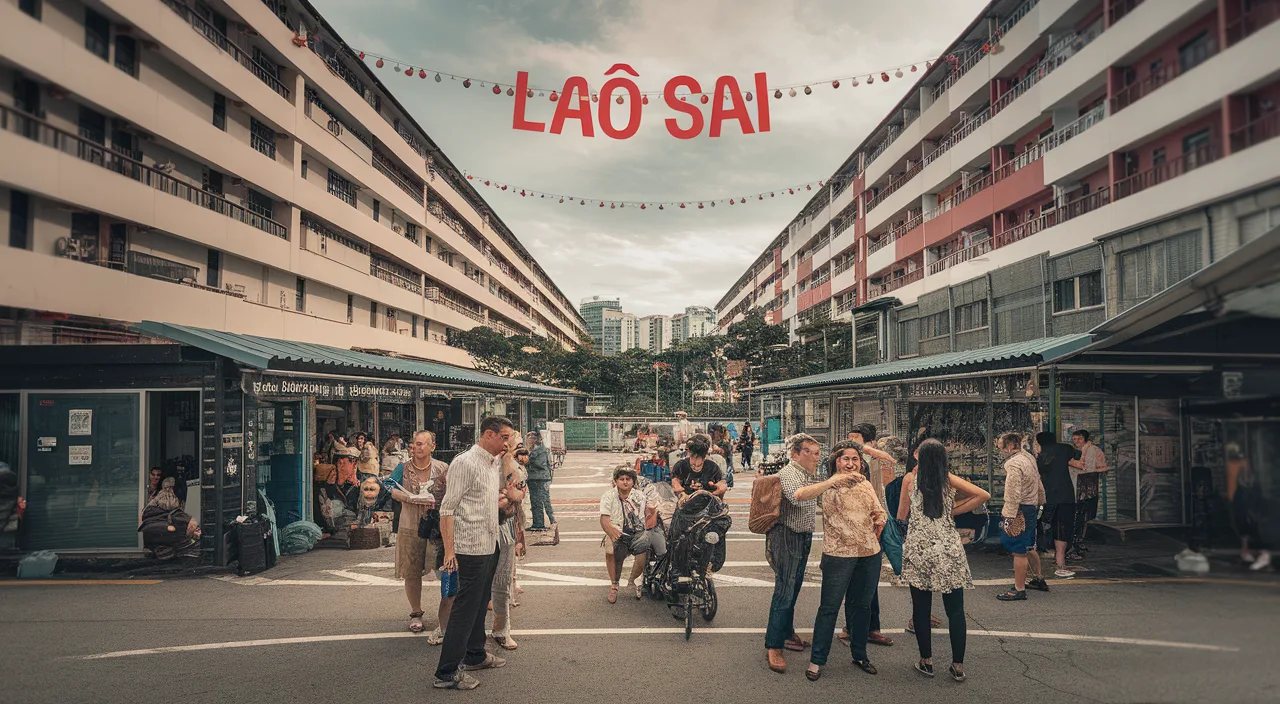
What does ‘Lao sai’ mean, and when can you use it in Singlish?
Short answer: ‘Lao sai’ is a popular Singlish slang phrase that literally means ‘to have diarrhea’ in Hokkien, but in everyday conversations, it’s much more versatile. Singaporeans use this expression to dramatically convey distress, discomfort, regret, or genuine stomach emergencies in a humorous way.
TL;DR: The Essentials on ‘Lao sai’ in Singlish
- Literal meaning: Diarrhea. Comes from Hokkien origins (‘lao’ = flow, ‘sai’ = excrement).
- Everyday usage: Used flexibly to express physical discomfort, emotional regret, or sheer panic.
- Example: “Walao, that mala ramen so power, I lao sai three times this morning!”
- Cultural role: A vivid, cheeky way of Singaporeans bonding through self-deprecating humor.
- Misconception: Not all ‘lao sai’ talk is literal. It can just mean something really hit you hard, physically or emotionally.
- Pro tip: Use sparingly in formal settings — but go crazy at kopitiam, during NS stories, or in memes.
Overview of Singlish Slang ‘Lao sai’
Before you incorporate ‘lao sai’ into your Singlish vocabulary, let’s understand what this term actually means. ‘Lao sai’ is a colorful piece of Singaporean linguistic heritage rooted in Hokkien — ‘lao’ (leak/flow) + ‘sai’ (feces). While the literal translation refers to diarrhea, this Singlish slang has evolved far beyond bathroom talk.

In true Singapore fashion, ‘lao sai’ has transformed into a versatile expression commonly used to describe extreme bodily reactions, sudden physical regret, culinary overindulgence, or deeply regrettable decisions (‘Why I go drink 5 bubble tea, now I feel like lao sai.’).
If Singlish represents the authentic voice of Singapore, then ‘lao sai’ serves as its dramatic cry for help. This expression is situationally powerful, emotionally vivid, and always good for connecting with fellow Singaporeans through shared humor and understanding.
Examples of ‘Lao sai’ in Daily Conversations
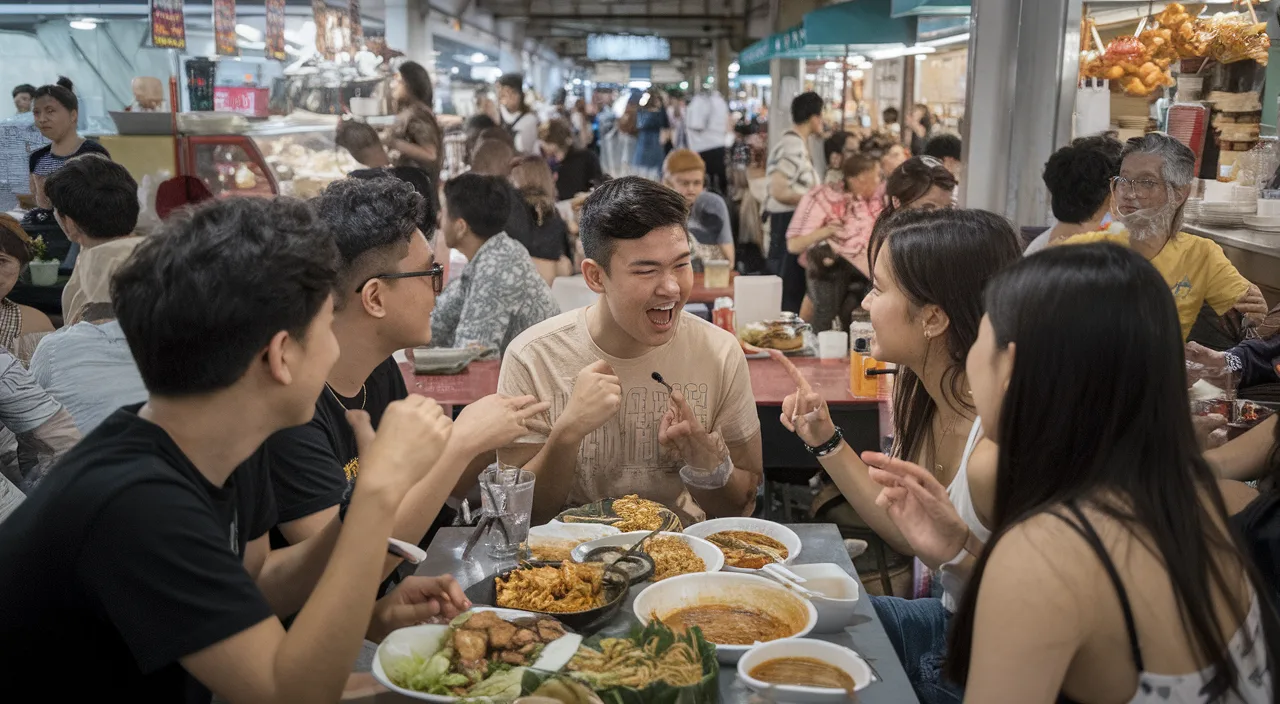
Understanding ‘lao sai’ goes beyond knowing its definition. Let’s examine real-world examples of how Singaporeans use this Singlish expression in everyday situations:
-

Chinese, Chinese New Year, Ladies, Mens, T-shirts
Price range: $35.00 through $43.00 Select options This product has multiple variants. The options may be chosen on the product page -
Graphic, Ladies, Mens, Oversize, T-shirts, Typography
Price range: $30.00 through $38.00 Select options This product has multiple variants. The options may be chosen on the product page

1. Post-Food Regret
Ah Hock: Eh, you try the new char kway teow at Old Airport Road already or not?
Ben: Bro, I tried. Next day I lao sai like niagara falls.
2. NS Bragging Rights
KC: That field pack menu during training, you remember or not?
Ali: How to forget? Eat already lao sai and kena arrow to clean toilet after.
3. Relationship Drama
June: I go text my ex again last night.
Shan: Eh you crazy or what? That kind of heartbreak sure mild diarrhea level leh—emotionally lao sai, girl.
4. Office Mishaps
Boss: Why you so late for the Zoom meeting?
You: Sorry boss, the iPad update froze last minute, my brain was lao sai-ing sia.
Proper Contextual Usage of ‘Lao sai’
Mastering ‘lao sai’ requires understanding when and where to use this Singlish slang appropriately. Drop it in the right setting and you’ll achieve instant relatability and genuine laughs. Here’s your guide to proper usage:
When is it appropriate to say ‘lao sai’ in Singapore?
- Kopitiam banter with friends: Safe zone. Nobody bats an eyelid.
- Casual chit chat: Perfect for exaggerating reactions and adding humor.
- Office emails: Unless you work in a very casual environment, better avoid.
- School presentations: Leave the ‘lao sai’ at home unless it’s casual storytelling time.
- Family settings (depends): Grandma might laugh, but your parents might give you The Look.
How to politely use ‘lao sai’ in conversation
Even colorful humor can be tasteful when used correctly. Here’s how to make your ‘lao sai’ moments charming rather than crude:
- Frame it as a metaphor: “That music festival was so hot, I nearly lao sai from dehydration.”
- Use self-deprecation: “After eating that chili crab, my stomach filed a police report — direct lao sai.”
- Time it right: In the right after-dinner conversation, it can make you the king of comedic timing.
Debunking Misconceptions about ‘Lao sai’
Let’s clear up common misunderstandings about this popular Singlish expression, because not every mention of ‘lao sai’ is about actual digestive distress.
- Misconception #1: ‘Lao sai’ always means literal diarrhea.
Not true. Think emotional, financial, or even spiritual lao sai. It’s incredibly expressive. - Misconception #2: It’s a low-class term only certain groups use.
Wrong. This Singlish slang crosses social and generational boundaries. Even your professor might say it after a bad mala meal. - Misconception #3: Singaporeans shouldn’t use such language in polite society.
Context matters. Among friends, it’s memorable and sometimes the only term that truly fits the situation.
Exploring the Cultural Significance of ‘Lao sai’
-
KaoBeiKing, Men, Singlish/Hokkien, T-shirts, Typography, Valentines
Price range: $30.00 through $38.00 Select options This product has multiple variants. The options may be chosen on the product page -
Chinese, Chinese New Year, KaoBeiKing, Quote, Singlish/Hokkien, T-shirts, Typography
Price range: $40.00 through $48.00 Select options This product has multiple variants. The options may be chosen on the product page

What gives ‘lao sai’ its power in Singlish is its ability to combine gross-out humor with emotional expressiveness in a uniquely Singaporean way.
‘Lao sai’ represents shared experience — a common expression that tells your audience, “Yes, my meal was a mistake. Yes, I knew it. No, I have no regrets (okay lah, maybe medium regret).” It conveys more meaning in two syllables than lengthy explanations ever could.
In modern Singapore culture, this phrase appears everywhere from social media memes to casual conversations. Local influencers use it when describing their worst food experiences, and it perfectly captures that uniquely Singaporean blend of self-deprecating humor and vivid expression.
This Singlish slang has become integral to our collective Singaporean identity. Informal yet instantly recognizable, relatable yet mildly taboo, it’s one of the crown jewels among Singlish colloquial terms.
Final Thoughts: Don’t Overthink ‘Lao sai’, Just Use With Heart
‘Lao sai’ may appear crude on the surface, but Singaporeans have embraced both its literal and metaphorical messiness. From kopitiams to casual gatherings, it’s a thriving part of our linguistic DNA that connects us through shared humor and understanding.
If you’re learning Singlish, don’t worry about perfect usage initially. Listen to how others incorporate ‘lao sai’ into their stories, and soon you’ll naturally use this expression whenever something goes hilariously or regrettably wrong. Like eating five packets of nasi lemak before a workout session.
Frequently Asked Questions
- Q1: What is the Singlish meaning of ‘lao sai’?
- A1: It literally means diarrhea in Hokkien, but it’s used as exaggeration or humor to describe extreme reactions.
- Q2: Is ‘lao sai’ offensive in Singapore?
- A2: Not usually, but use it in casual settings. It’s cheeky more than offensive.
- Q3: Can ‘lao sai’ be used figuratively?
- A3: Yes! Figurative use is super common: emotional distress, regret, panic, and more.
- Q4: How do you respond when someone says they ‘lao sai’?
- A4: Usually laughter, sympathy, or horror – just go with the flow lah.
- Q5: What’s the safest context to use ‘lao sai’?
- A5: With friends, in casual conversation, or online posts. Avoid using with superiors unless you’re close.
- Q6: Is ‘lao sai’ unique to Singapore?
- A6: Pretty much. It’s part of our unique Singlish vocabulary rooted in multiple dialects.
- Q7: Can ‘lao sai’ be used in writing, like captions?
- A7: Confirm can — it adds humor to Instagram stories, memes, and chats.