
What Does ‘Pon’ Mean in Singlish, and Why is It So Shiok & So Singapore?
If you’ve ever sat at a hawker centre and overhead someone say, “Eh, you pon class again ah?” — don’t worry, no one became invisible or got magically teleported to another dimension. But they did disappear… from responsibility.
-

Chinese, KaoBeiKing, Quote, T-shirts, Typography
Price range: $30.00 through $38.00 Select options This product has multiple variants. The options may be chosen on the product page

In Singlish, ‘pon’ — short for ‘ponteng’ (from Malay) — simply means to skip. Usually it’s class, sometimes work, occasionally even reservist… Oops.
TL;DR – What You Need to Know About ‘Pon’:
- ‘Pon’ means to skip obligations, often done sneakily or cheekily.
- Common in everyday Singlish phrases, especially among students and NSFs.
- Pon is both a linguistic and cultural reflection — proof that Singaporeans know how to toe the line and toe it well.
- The use of ‘pon’ reflects Singapore’s multicultural society, as it came from Malay but evolved in our colloquial English.
- This article explores the historical roots, common uses, humour, and societal nuances behind “pon” culture in Singapore.
## Table of Contents
– Overview of Singlish in Singapore
– Evolution and History of ‘Pon’ in Singlish
– Singlish ‘Pon’ Culture: Why We Do It (And Laugh About It)
– How ‘Pon’ Reflects Our Multicultural Society
– Common ‘Pon’ Scenarios and Iconic Phrases
– Modern Twists: The Impact of ‘Pon’ on Communication Today
– End Thoughts + FAQ
Overview of Singlish in Singapore
Let’s face it hor, Singlish is one of the most endearing things about being Singaporean. Love it or hate it, you surely recognise the unique way we code-switch between formal English and this merry stew of local languages. Malay, Hokkien, Mandarin, Tamil, English — it’s all there, flipping around like prata.
The evolution of Singlish in Singapore has created gems like ‘pon’, one of the classic Singlish phrases passed down from school corridors, whispered in hushed tones while planning that escape from responsibility. It’s not just slang. It’s survival vocabulary. Whether you use it as a verb (“Let’s pon tutorial lah!”) or as a noun (“Today is one big pon sesh!”), the word is unmistakably Singaporean in flavour.
-
-
Chinese, Chinese New Year, KaoBeiKing, T-shirts, Typography, Women
Price range: $30.00 through $38.00 Read more

Evolution and History of ‘Pon’ in Singlish
Okay lah, ready for some history lesson (no pon allowed for this one)? The term ‘ponteng’ originates from Malay, meaning deliberately absent, often without permission. If you’ve heard army boys say, “He go AWOL, pon again,” you’re seeing a military twist on an age-old concept.
Over the years, ponteng underwent a mini revolution. As the evolution of Singlish in Singapore took place organically during our post-colonial transition, the word was shortened to ‘pon’ and absorbed into everyday language — streamlined, dainty, spoon-fed with local wit.
Timeline of ‘Pon’ evolution showcasing language evolution:
- Malay roots: Ponteng – to skip/dodge responsibilities.
- Colonial Singapore: Co-exists with English in multi-ethnic schools – students say “I ponteng school.”
- Modern Singlish: Fully mashed into Singlish syntax. “You pon again ah? Wah steady!”
This evolution of Singlish in Singapore really shows how languages can fold into each other like kueh lapis – distinct layers, but one cake.
Singlish ‘Pon’ Culture: Why We Do It (And Laugh About It)
Truth bomb: Skipping things in Singapore sometimes feels like a mini-rebellion. Like jaywalking across at Bugis when no cars come – naughty, yes, but also thrilling. ‘Pon’ is that energy in word form. But unlike full-on rebellion, ‘pon’ comes with built-in guilt and a smidgen of self-awareness lah.
It’s fascinating how we joke about it constantly. “Wah Monday again ah? I feel like pon today.” That’s humour as a coping mechanism. We pon to reclaim a bit of soul from the grind – school stress, NS pressure, and KPI-hustling office wars.
Unlike absconding or malingering (so dramatic, so HR-report-worthy), ‘pon’ paints the act in a softer, more playful light. It’s not absence out of neglect; it’s absence wrapped in attitude and wit. This demonstrates how Singlish reflects Singapore’s multicultural society by creating unique expressions for shared experiences.
-
-
Chinese, Chinese New Year, KaoBeiKing, T-shirts, Typography, Women
Price range: $30.00 through $38.00 Read more
If you’ve pon-ed before, it probably fell into these scenarios:
- Student life: Lecture streaming exist for a reason, ok?
- Office blues: MC where MC not really needed
- NS: Classified info, next question please.
How ‘Pon’ Reflects Our Multicultural Society
A word like “pon” may seem small, but it’s a microcosm of something much bigger: Singapore’s language evolution and multicultural nature.
When we say “pon”, we’re unknowingly carrying traces of Malay linguistics, placing it into an English sentence structure, and adding that lah/leh at the end for flavour. Chef’s kiss.
Here’s how ‘pon’ proves our cultural mixing is next level and shows how Singlish reflects Singapore’s multicultural society:
- Word origin: Pure Malay base.
- Usage pattern: English syntax – e.g. “He pon today.”
- Local essence: Only used meaningfully in Singapore context.
The result is a truly Singaporean phrase that belongs to nobody but all of us. In fact, it’s so specific that tourists rarely understand what you mean – a great way to confuse your angmoh boss.
Common ‘Pon’ Scenarios and Iconic Phrases
Let’s talk juicy stuff — the actual Singlish phrases we throw around when ‘pon’ comes to the table. And oh boy, there are many…
Popular ‘pon’-related Singlish phrases:
- “I pon today lah.” — the baseline phrase
- “He forever pon one leh.” — That friend who treats school like optional DLC
- “Pon already, still got come one meh?” — Applied to everything from birthday parties to morning briefings
- “Aiya pon lah, nobody check one.” — The instigator, usually peer pressure supreme
They come wrapped with judgement, playful tone, and sometimes disguised admiration – especially if the person doesn’t get caught. It’s not about glorifying irresponsibility, but more about navigating our high-pressure lifestyles with a bit of “eh chill lah” energy.
Modern Twists: The Impact of ‘Pon’ on Communication Today
In a TikTok-and-Trello world, even ‘pon’ also got digital upgrade la. The impact of Singlish on modern communication in Singapore can’t be underestimated, and ‘pon’ plays its part like an old uncle who knows how to use Instagram.
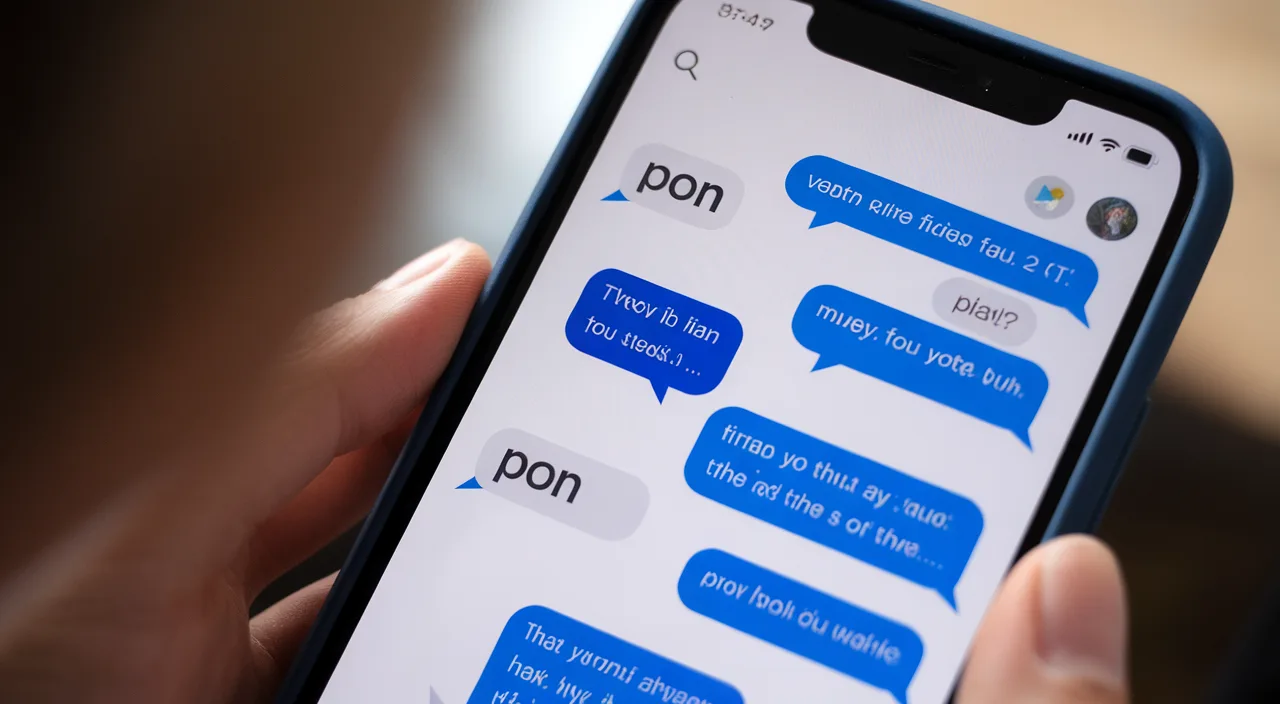
You’ll see ‘pon’ everywhere: memes, group chats, comment wars… And in its digital form, it becomes even more expressive, showing the ongoing language evolution:
- “Pon squad reporting in!” – when everyone agrees to niao one seminar.
- “#ponlife” – tag your buddy when he makes it to brunch instead of work.
- “Errr sorry prof, I blur ytd, accidentally pon lol” – an actual excuse I once used. Don’t try.
So yes, ‘pon’ isn’t just a slang term — it’s a verb, a vibe, a surviving mechanism tied to mental health and meme culture. The impact of Singlish on modern communication in Singapore shows how traditional phrases adapt to digital spaces while maintaining their cultural essence.
Final Shiok Thoughts on ‘Pon’ Culture in Singapore
So next time someone mutters under their breath about ponning something, don’t just assume it’s laziness. Maybe it’s a cry for self-care, a subtle form of rebellion in too-onz systems, or just another layer in Singapore’s rich language ondeh-ondeh.
‘Pon’ is a linguistic time-capsule — Malay heritage, youthful rebellion, Hokkien grin, and modern digital flair all stuck into 3 letters. Power lah.
Whether you laugh, roll eyes, or secretly plan your next pon escape after reading this, one thing’s clear: Pon So Shiok, Pon So Powerful, Pon So Singapore.
FAQs About ‘Pon’ and Singlish Culture
- What does ‘pon’ actually mean?
‘Pon’ is Singlish slang for skipping an obligation like school, work, or duty. - Is ‘pon’ a negative term?
Not always. It can be playful or cheeky, depending on tone and context. - Where did ‘pon’ come from?
It comes from Malay ‘ponteng’, meaning to be absent without permission. - How is ‘pon’ used in context?
“Eh, I pon class today lah” or “He pon again, always like that one.” - Do employers or schools frown on ‘pon’?
Of course lah, it’s still technically avoiding responsibility. But some leeway depends on culture. - Is ‘pon’ usage still common?
Yes — from youths in school to army boys, the term endures with updated vibes. - Is it okay for expats to use the term?
Can lah — just make sure the context is friendly and you understand the vibe before pon-ing meetings.