
What Does ‘Hiam’ Mean in Singapore Singlish?
If you’ve heard Singaporeans say someone is ‘hiam’, they’re describing someone who complains, is critical, or simply not satisfied with something. In Singlish phrases, ‘hiam’ carries a unique flavor—it’s part sass, part honesty, and completely Singaporean. But this local slang is more than just complaining or nitpicking. When you ‘hiam’, you’re expressing high standards for food, service, relationships, and life in general. Whether you’re ‘hiam’ about your cai fan having too little gravy, or ‘hiam’ that your boss only gave you a 5% raise instead of 10%, there’s real cultural meaning behind using this word in Singapore culture.
-

Chinese, Chinese New Year, KaoBeiKing, T-shirts, Typography, Women
Price range: $30.00 through $38.00 Read more

TL;DR Summary
- ‘Hiam’ is a Singlish term meaning to be dissatisfied or critical—but in an understated way.
- It originated from Hokkien and Teochew roots, where it was used to express rejection or complaint.
- Over the decades, ‘hiam’ became embedded in Singapore culture, used in both casual and professional contexts.
- Saying ‘hiam’ is a subtle expression of high standards, not just whining.
- Want to sound like a true Singaporean? Learn how to ‘hiam’ like a pro with context and heart.
Table of Contents
- The History Behind ‘Hiam’
- Decoding the Meaning and Usage of ‘Hiam’
- The Social Significance of Using ‘Hiam’
- Practical Tips on Incorporating ‘Hiam’ in Your Conversations
- Real-life Examples of ‘Hiam’ in Action
The History Behind ‘Hiam’
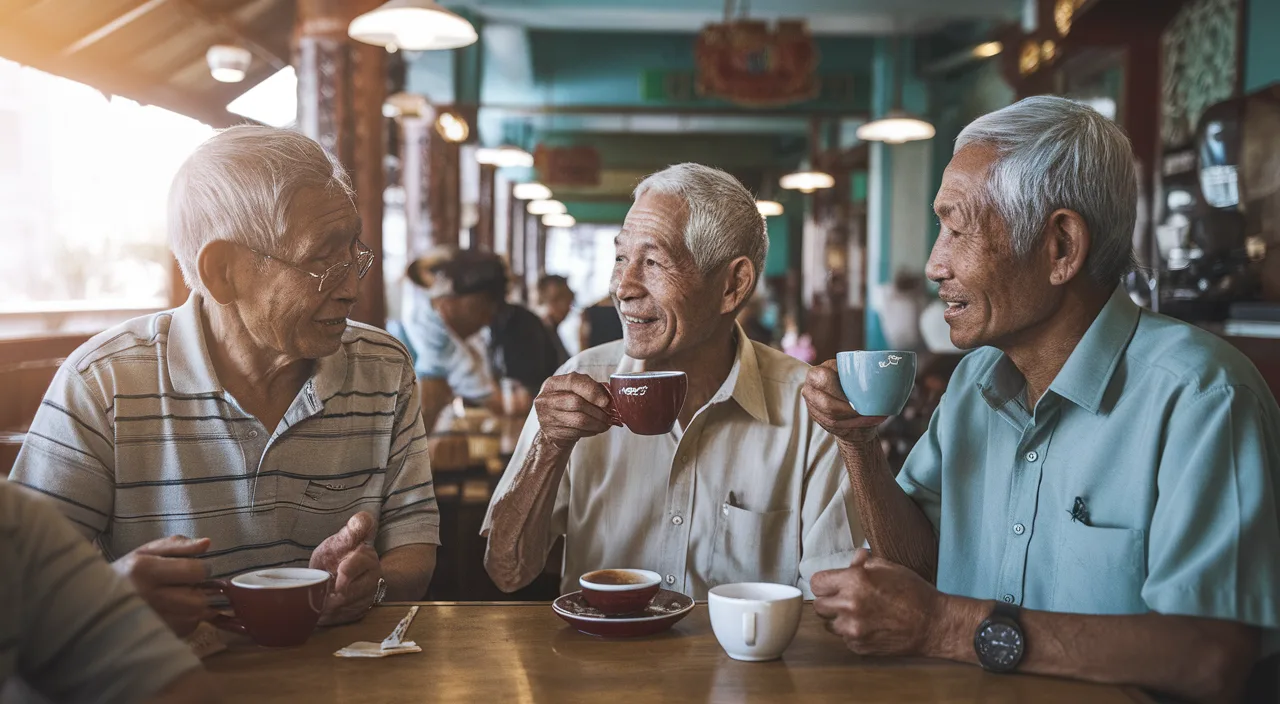
While many Singaporeans know ‘hiam’ as part of modern Singlish phrases, this local slang has deep roots in dialects like Hokkien and Teochew. In Hokkien, ‘hiam’ (嫌) means “to dislike” or “to find fault with.” Traditionally, it was a softer alternative to direct criticism—the kind of thing you’d say to gently point out flaws without creating conflict. Think of your ah ma subtly ‘hiam-ing’ the soup for being too salty, instead of outright complaining.
What makes this word fascinating is how this local slang travelled through time in Singapore culture. As Chinese immigrants settled here, they brought their dialects with them. Over generations, ‘hiam’ became woven into everyday communication in Singapore—even among people who don’t speak dialect fluently. That’s the true power of language here: ‘hiam’ crossed generations, languages, and social classes to become part of authentic Singaporean identity.
-
hashtag, KaoBeiKing, Quote, Singlish/Hokkien, T-shirts, Typography
Price range: $30.00 through $38.00 Select options This product has multiple variants. The options may be chosen on the product page -
KaoBeiKing, Parody, Singlish/Hokkien, T-shirts, Typography
Price range: $30.00 through $38.00 Read more


Decoding the Meaning and Usage of ‘Hiam’
Let’s understand exactly what ‘hiam’ means in modern communication in Singapore and how Singaporeans use it daily.
- “You so picky, everything also hiam.” — Used when someone is constantly dissatisfied.
- “Wah, kena bonus still hiam ah?” — Someone who’s ungrateful or seeking more.
- “I not hiam lah, but just saying the rice a bit dry.” — Classic Singaporean diplomatic moment.
There’s a unique quality to ‘hiam’ that distinguishes it from Western-style complaints. It’s less about drama, more about having discerning taste—like an auntie with super high cai fan standards or a Gen Z worker ‘hiam-ing’ the lack of mental health benefits at work. This Singlish word lets you be assertive while remaining thoughtful, which perfectly captures Singapore culture.
So if you’ve ever felt dissatisfied but didn’t want to come across as high-maintenance, just say you’re “a bit hiam” lah. That’s the power of language working for you.
The Social Significance of Using ‘Hiam’
Here’s where ‘hiam’ becomes more than just local slang. This word is a social signal in Singapore culture. It says: “I have standards, and I notice details.” It’s emotional shorthand that Singaporeans use to navigate daily life without being too paiseh or confrontational.
- Workplace: You hiam your colleague’s presentation formatting—because quality deliverables matter in Singapore’s professional culture.
- Dating: You hiam your date for being late—not a dealbreaker, but you’re noting their punctuality.
- Food: Singapore’s national pastime involves makan and then hiam slightly—the char kway teow too oily, but still delicious lah.
Unlike harsh criticism, ‘hiam’ carries humor and warmth. It’s a way to be authentic without being harsh—a cornerstone of effective communication in Singapore. Whether with family, friends, or colleagues, this word offers a uniquely local way to share feedback while maintaining social harmony, which is central to Singapore culture.
Practical Tips on Incorporating ‘Hiam’ in Your Conversations
If you’re living in Singapore or want to understand local slang better, you’ve probably encountered ‘hiam’ in daily conversations. To master this Singlish word, you need to use it with proper context and the right tone that reflects Singapore culture.
- Keep it light-hearted: Don’t use ‘hiam’ when you’re genuinely angry. Save that energy for stronger words like ‘jialat’.
- Add nuance: Use ‘a bit hiam’ or ‘slightly hiam’ in your communication in Singapore, so you sound detail-oriented, not demanding.
- Know your audience: Some older Singaporeans may interpret ‘hiam’ as disrespectful. Gauge whether your boss, parents, or teachers appreciate this local slang.
- Embrace the humor: People recognize when you’re using ‘hiam’ playfully. That’s how the power of language builds connections in Singapore culture.
Real-life Examples of ‘Hiam’ in Action

Let’s see how ‘hiam’ works in real Singapore culture scenarios and daily communication.
-
Chinese, KaoBeiKing, Singlish/Hokkien, T-shirts, Typography, Women
Price range: $30.00 through $38.00 Select options This product has multiple variants. The options may be chosen on the product page -
Chinese, Chinese New Year, Ladies, Mens, T-shirts
Price range: $35.00 through $43.00 Select options This product has multiple variants. The options may be chosen on the product page
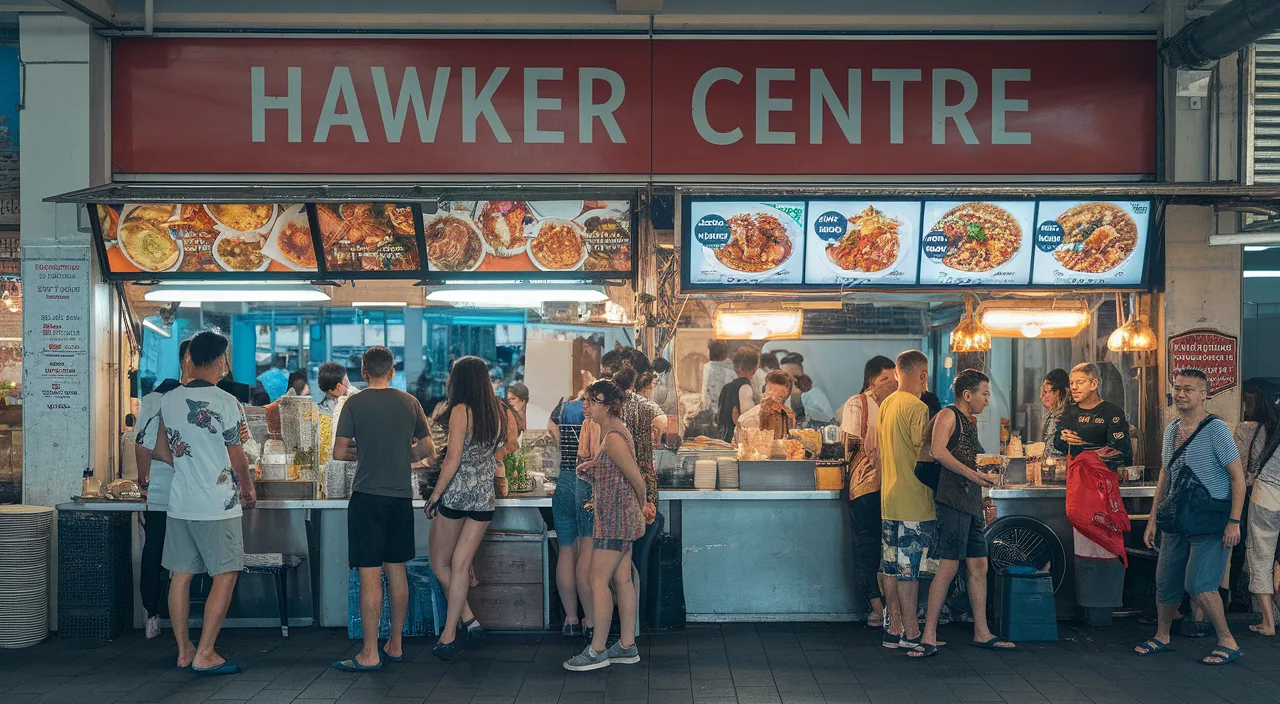
- Hawker Life: “Char siew wanton mee not bad, but I hiam the noodles a bit soggy.”
- Office Culture: “Boss gave half-day Friday, but we all hiam it’s not a public holiday.”
- Relationship Banter: “You say you love me but never text goodnight—I’m not complaining, just hiam.”
- Group Chat Roast: “Wah, this one sure hiam everything. Local Gordon Ramsay!”
See how flexible this local slang is? Whether you’re teasing friends or subtly addressing service issues, ‘hiam’ works because it’s embedded in how Singaporeans communicate. It demonstrates the power of language to let you be critical without creating conflict. It’s efficient, culturally appropriate, and authentically Singaporean.
Final Thoughts: Why ‘Hiam’ Is a Powerful Tool for Singaporeans
‘Hiam’ represents more than casual complaints—it’s a concentrated expression of Singapore culture. This Singlish word captures our attention to detail, our balanced nature (can kpkb but still okay lah), and our ability to express dissatisfaction without making situations awkward. It perfectly demonstrates the power of language in local communication.
So when someone says they’re “a bit hiam,” don’t dismiss them. Listen, laugh, and maybe even agree. Because in Singapore culture, to ‘hiam’ means caring enough to want something better. That’s the real power behind this simple but meaningful local slang.
FAQs: The True Power of Saying ‘Hiam’
- Is ‘hiam’ always negative?
Not really! It’s often used playfully to express personal preferences or mild dissatisfaction. - Can I use ‘hiam’ at work?
Yes, just ensure it’s used in the right tone and not in formal communication. - Where did ‘hiam’ come from?
It originates from Hokkien and Teochew dialects, meaning “to dislike or find fault.” - What’s the best setting to use ‘hiam’?
Every day, la—hawker centres, coffee breaks, NTUC rants… any casual social setting. - Is ‘hiam’ considered rude?
Only if used harshly. Typically, it’s a softer, more socially acceptable way to critique. - What’s the difference between ‘hiam’ and ‘kpkb’?
‘Hiam’ is subtle and everyday picky; ‘kpkb’ is loud, dramatic grumbling. - Do Gen Z Singaporeans still use ‘hiam’?
Yes! It remains a staple in everyday lingo, especially with a sarcastic or ironic twist.