

What Does ‘Jiak Zua’ Mean in Singlish and Why Every Singaporean Uses It
Short answer: ‘Jiak zua’ is a beloved Singlish phrase that directly translates from Hokkien as “eat snake”—but no, it has nothing to do with actual reptiles or your lunch. This iconic Singaporean expression means to slack off, avoid work, or pretend to look busy while secretly doing nothing. It’s cheeky, it’s deeply cultural, and it perfectly describes your colleague who somehow disappears when things get busy.

- Literal translation: ‘Jiak’ means ‘eat’; ‘zua’ means ‘snake’.
- Figurative meaning: Slacking, escaping responsibilities, or secretly chilling.
- Used in: Workplace gossip, NS (National Service) stories, school group projects, and anywhere someone seems to avoid all the work.
- Cultural vibe: Endearingly lazy, cheekily rebellious—quintessentially Singaporean.
- Popular among: NSFs, office workers, students, and any observant auntie watching from the void deck.
Understanding the Cultural Meaning Behind ‘Jiak Zua’
If you think Singaporeans are always kiasu and hardworking, wait until you discover the ultimate Singaporean survival skill—jiak zua. It’s not just slacking; it’s an art form with strategy. Picture a colleague who always appears at the start of meetings but mysteriously vanishes like smoke the moment tasks get assigned. That’s classic jiak zua mastery right there.
The phrase is so seamlessly woven into daily Singlish conversations that when someone points at you and exclaims, “Eh, you jiak zua again lah!”, you better start looking busy real fast—or prepare to lose your kopi break privileges. This Singaporean expression has become such an integral part of local culture that understanding its meaning is essential for anyone wanting to truly grasp Singlish phrases and their cultural significance.
Origins and Cultural Evolution of This Singlish Expression

Let’s unpack the linguistic history of this iconic phrase.


‘Jiak zua’ has deep Hokkien roots: ‘jiak’ equals eat; ‘zua’ equals snake. But snakes definitely aren’t on the menu here. Originating from Chinese idioms like “吃蛇” (chī shé) in Mandarin, this Singlish phrase carries the same figurative meaning—deceptively taking it easy while appearing to be working.
In Singapore’s NS (National Service) culture, ‘jiak zua’ gained legendary status among servicemen. Every platoon had that one recruit who could masterfully avoid duties with ninja-like disappearing skills. The phrase then naturally evolved into schools, offices, and even relationships. When your boyfriend decides to ‘jiak zua’ on your anniversary plans, you know it’s time to march off faster than an SAF drill.
That’s the beauty of Singlish expressions like ‘jiak zua’—they’re multi-dialect, multi-layered, and always packed with uniquely Singaporean humor and cultural wisdom.
Today, ‘jiak zua’ isn’t just a phrase. It’s a mood, a social observation, and sometimes a survival strategy during those dreaded Monday morning meetings.
The Deep Cultural Significance of ‘Jiak Zua’ in Singaporean Society
Here’s why ‘jiak zua’ reveals more about Singaporean culture than you might expect.
- Efficiency vs. Survival — In Singapore’s high-pressure environment, locals who find smart ways to ‘relak’ are quietly admired. It’s not pure laziness; it’s more like strategic rest management.
- Community awareness — Everyone can definitely spot a jiak zua expert. There’s a whole hierarchy: occasional slacker (still endearing), serial avoider (watch out), and legendary ghost (promoted to Chief Invisible Officer status).
- NS Culture legacy — ‘Jiak zua’ isn’t just tolerated in military culture; it’s passed down like NS folklore. You’ll still hear uncles sharing stories from Camp Tekong about recruits who managed to nap during rifle cleaning drills.
- Modern workplace dynamics — If your office pantry had surveillance footage, the true jiak zua warriors would be exposed. That Excel spreadsheet expert? Probably playing Mobile Legends from the coffee machine corner.
What makes ‘jiak zua’ special is that it’s become a form of loving social commentary. No one gets genuinely angry about it. It’s part of shared Singaporean humor—a cheeky cultural code for “we see what you’re doing there.”
Complete Guide: How to Use ‘Jiak Zua’ in Daily Singlish Conversations
‘Jiak zua’ is the kind of Singlish phrase that integrates into your vocabulary faster than bubble tea cravings hit on a hot afternoon. Here’s how to use it like a true local.
1. In the Office Setting
When the boss walks in and someone suddenly starts typing furiously, nudge your colleague: “Wah this one damn pro, jiak zua until promotion also can secure.”
-

Children, Chinese, KaoBeiKing, Quote, Typography
$25.00 Select options This product has multiple variants. The options may be chosen on the product page -
Chinese, KaoBeiKing, Singlish/Hokkien, T-shirts, Typography, Women
Price range: $30.00 through $38.00 Select options This product has multiple variants. The options may be chosen on the product page


2. In School Projects
Group assignment deadline approaches. That one groupmate only appears in WhatsApp to ask “can share the file?” = “Excuse me while I jiak zua my way to an A grade.”
3. During NS Life
Sergeant shouts: “Fall in in 5 minutes!” One recruit miraculously needs the toilet, develops sudden cough symptoms, and gets foot cramps only during route marches. “Wah, this guy teaching jiak zua masterclass.”
4. In Relationships
Your boyfriend promises to plan anniversary dinner but spends the evening scrolling Netflix while you handle all the bookings = “You trying to jiak zua this whole relationship or what?”
5. Light-hearted Friend Teasing
“Eh come help me move house this weekend leh.”
“Later later I’m on my way…”
“On your way to where? The stadium to jiak zua?”
Hilarious Real-Life ‘Jiak Zua’ Stories from Singaporean Culture
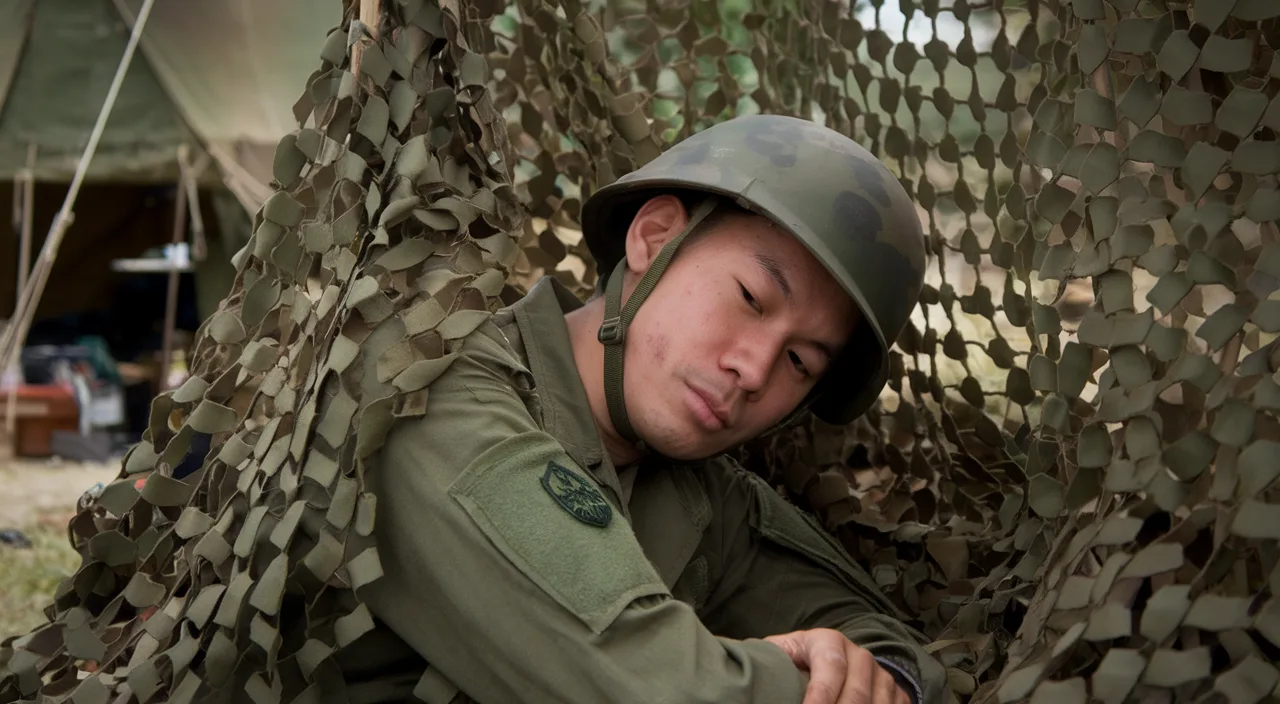
Let me share one legendary jiak zua story from my NS days.
We had this recruit in our unit—let’s call him Ah Beng for privacy. This guy was absolutely world-class at the art of jiak zua. He could disappear and nap behind camouflage equipment with his boots completely off, claiming it was “proper equipment maintenance”—which was technically accurate if you think about it.
Ah Beng once avoided kitchen duty three consecutive times with creative excuses like “got extra physical training quota to complete,” and memorably, “my bunkmate needs emotional support for his family issues.” When our Captain warned, “One day you’re going to push your luck too far,” Ah Beng’s instant reply? “Sir, better than pushing piano in the logistics store.”
He became an absolute legend in our unit. Even today, our WhatsApp group chat is still called ‘Operation Jiak Zua’ in his honor. And this isn’t unique to NS culture—every kopitiam, every office building has their own jiak zua master. You’ll find them wherever there’s free WiFi and minimal supervision, living as the lovable rebels of Singaporean working life.
Why ‘Jiak Zua’ Represents More Than Just Laziness in Singaporean Culture
To outsiders, ‘jiak zua’ might appear to celebrate laziness. But to Singaporeans, it’s daily social satire, cultural commentary, and humor all rolled into one perfect Singlish phrase. It serves as a cultural pressure valve in our meritocratic, hustle-focused society.
So the next time someone observes, “Wah, jiak zua again?”—smile and take it as a compliment. It means you’re part of the local cultural conversation. It means you’ve experienced an authentically Singaporean moment. And honestly, maybe you’ve earned a little strategic jiak zua time yourself. Just don’t let your boss catch you in the act, lah.
Frequently Asked Questions
- What does ‘jiak zua’ literally mean?
Literally, it means “eat snake” in Hokkien, but figuratively, it refers to slacking off smartly or pretending to be busy. - How do you use ‘jiak zua’ in daily life?
You can call out friends, coworkers, or even yourself with this phrase when someone’s clearly avoiding work or responsibilities. - Is ‘jiak zua’ considered rude?
Not at all! It’s usually used in jest or playful teasing. Just avoid using it in very formal professional settings. - Where did ‘jiak zua’ originate?
It comes from Hokkien dialect, integrated into Singlish culture through NS experiences and everyday local conversations over decades. - Can expats try using ‘jiak zua’?
Absolutely! Locals find it endearing when expats attempt Singlish phrases. Just be mindful of your tone and context. - Does ‘jiak zua’ only apply to work situations?
No way—you can jiak zua in relationships, gym routines, social commitments, even household chores! - Is there a positive way to jiak zua?
Definitely. It’s about achieving balance. Sometimes, the art of strategic rest actually makes you more productive. Just ask any NS veteran.