
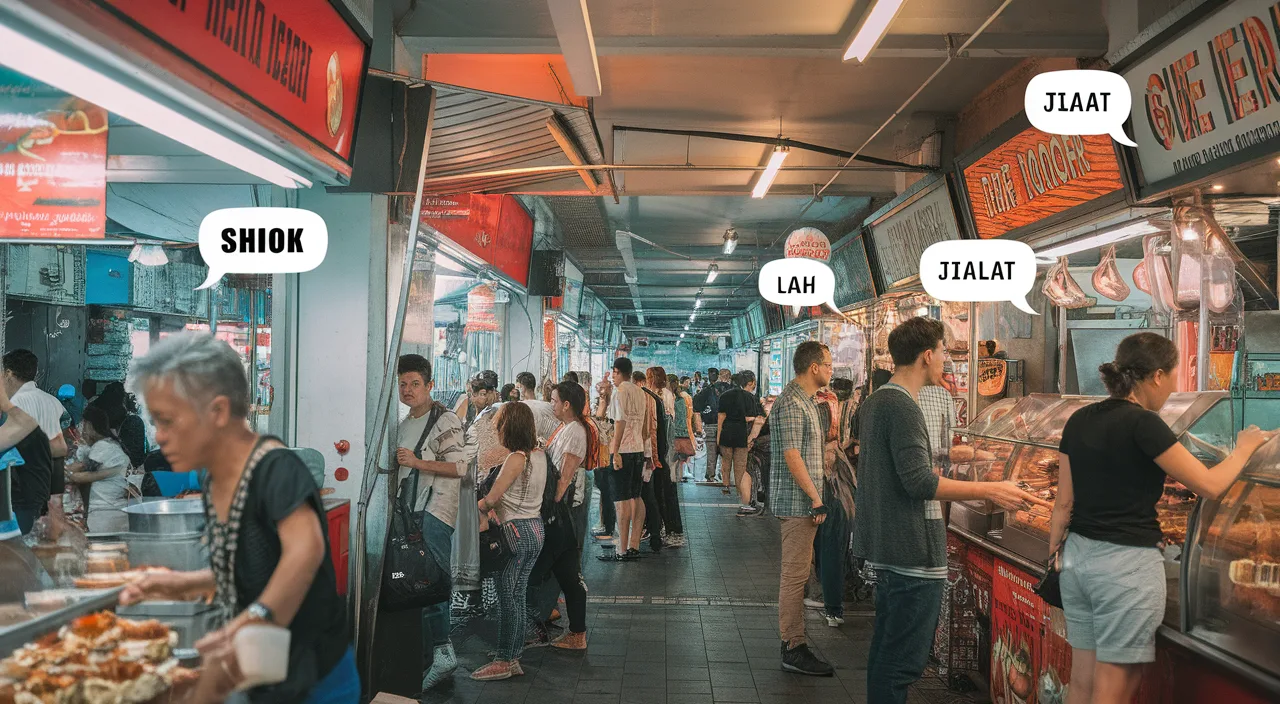
What does ‘shiok’ mean in Singlish?
In Singlish, ‘shiok’ is one of those expressions that captures pure satisfaction and pleasure. This popular Singlish phrase describes that explosive feeling of delight when something awesome happens. You’ll hear it most often when describing amazing food – think char kway teow or laksa level good – but locals use it for any pleasurable experience, like stepping into air conditioning after walking in Singapore’s humid heat. It’s a Singlish word that perfectly captures our love for comfort and good experiences.
-

Chinese, KaoBeiKing, Singlish/Hokkien, T-shirts, Typography, Women
Price range: $30.00 through $38.00 Select options This product has multiple variants. The options may be chosen on the product page
TL;DR Summary:
- Singlish phrases are more than slang — they’re cultural connectors.
- ‘Shiok’ is one of the most beloved Singlish words, used for ultimate satisfaction.
- From ‘ang moh’ to ‘lah’, discover popular Singlish phrases in Singapore.
- Each phrase reflects a facet of Singaporean culture, from kiasu-ism to kampung spirit.
- Used in every kopi shop, MRT platform and telegram group — Singlish is alive, kicking, and super steady lah.
The Evolution of Singlish in Singapore
Understanding Singlish means understanding how Singapore culture developed. Our local lingo grew up alongside us – from kopitiam chatter to school canteen gossip, every Singaporean has been raised in this ecosystem of languages. English, Malay, Tamil, and Chinese dialects all mashed up to create this unique form of communication that reflects our multicultural heritage.
In the early days, authorities dismissed Singlish as ‘bad English’. Teachers banned popular Singlish phrases in class and campaigns promoted speaking ‘Good English’. But guess what kept popping up? That unmistakable local lingo in hawker queues, bus conversations, and HDB corridors. Today, we’re not just speaking Singlish louder – we’re claiming it with pride. Because understanding Singlish isn’t about incorrect grammar. It’s about understanding us.
Popular Singlish Phrases and Their Meanings
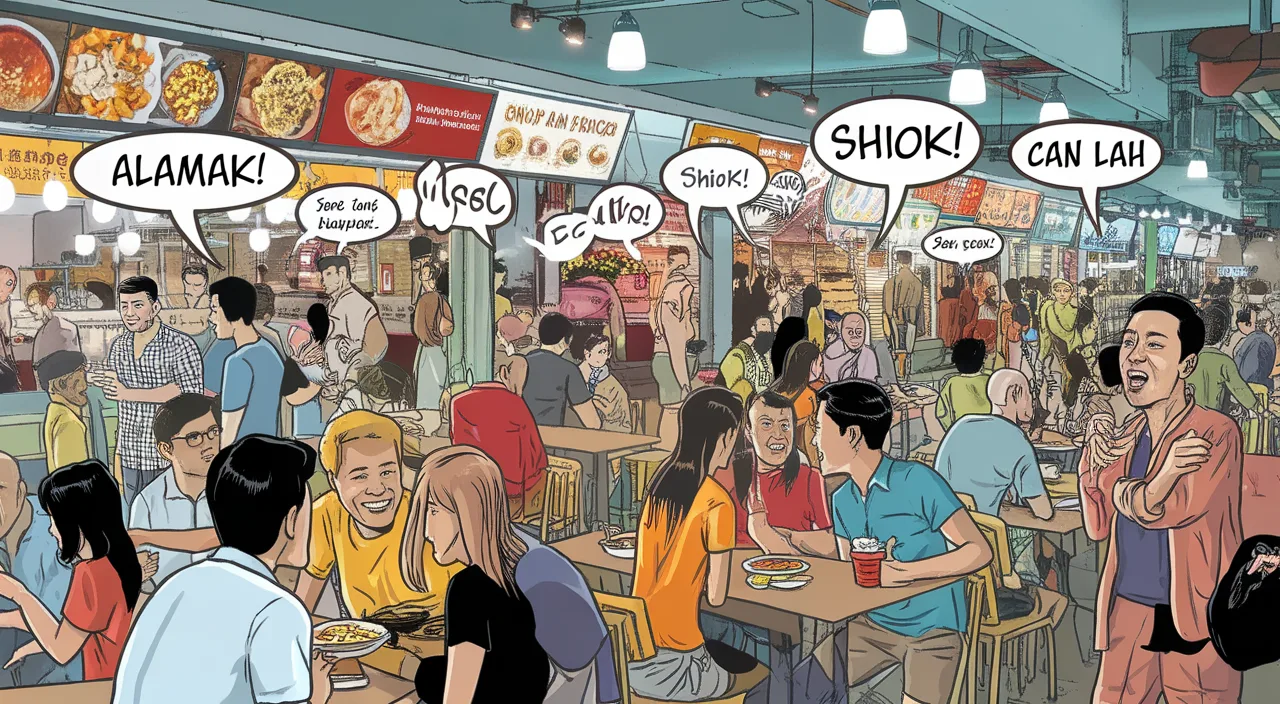
Ask any Singaporean and they’ll tell you – sometimes only Singlish can get the job done. Here’s your guide to popular Singlish phrases in Singapore and what they really mean in our local culture:
-
KaoBeiKing, Men, Singlish/Hokkien, T-shirts, Typography, Valentines
Price range: $30.00 through $38.00 Select options This product has multiple variants. The options may be chosen on the product page -
Graphic, Inspixe, Ladies, Mens, Quote, T-shirts, Typography
Price range: $30.00 through $38.00 Select options This product has multiple variants. The options may be chosen on the product page


1. Shiok
Meaning: Feels incredibly good or satisfying.
Usage: “Wah this laksa damn shiok!” / “On a hot day, aircon is shiok sia.”
Cultural flavour: Shiok is our go-to expression for pure enjoyment, especially when food is involved. This Singlish word carries layers of reward, satisfaction, and an almost spiritual recognition that this moment right here is peak comfort.
2. Alamak
Meaning: Oh no! Expression of surprise or dismay.
Usage: “Alamak, I forgot to tap my EZ-Link!”
Vibe: This popular Singlish phrase captures mild panic or comic despair. It’s a reaction that starts in your heart and ends on your lips, whether you’re forgetting your wallet or dropping your curry puff.
3. Lah, Lor, Leh, Mah
Meaning: Sentence particles that add tone, mood, and attitude to conversations.
Examples:
“Don’t like that lah.”
“Can lor.”
“I know leh.”
“You think so easy meh?”
-
KaoBeiKing, Quote, Singlish/Hokkien, T-shirts, Typography
Price range: $30.00 through $38.00 Select options This product has multiple variants. The options may be chosen on the product page -


Sociolinguistic gem: These Singlish words are musical notes in our local conversation symphony. They show when we agree, disagree, persuade or play coy. Master ‘lah’ and ‘leh’, and you’re halfway to understanding Singlish completely.
4. Kiasu
Meaning: Afraid to lose out or miss opportunities.
Usage: “That auntie queued 3 hours just to get free tissues – super kiasu.”
Why it matters: This goes beyond competition – it’s cultural DNA. Kiasu explains why Singaporeans love discounts, queue early, and always read reviews before trying anything new.
5. Jialat
Meaning: Serious trouble or bad situation.
Usage: “Forgot to bring my NRIC – jialat sia.”
Local context: One of those Singlish phrases that summarizes catastrophe in two syllables. Whether the situation is dramatic or small, ‘jialat’ always sounds appropriately dramatic.
6. Bo jio
Meaning: Didn’t invite me.
Usage: *Posts photo at Haidilao*
Comment: “Bo jio?”
Social dynamic: This popular Singlish phrase has evolved into playful FOMO expression. It’s cheeky rather than passive-aggressive, and locals use it to teasingly ask why they weren’t included.
The Cultural Significance of Singlish
Understanding Singlish means recognizing it’s not just convenient pidgin for lazy English speakers. Popular Singlish phrases represent linguistic efficiency coupled with heartfelt clarity that reflects Singapore culture perfectly.
Our local lingo mirrors the Singaporean psyche: pragmatic but poetic, functional but full of flair. Singlish words bypass politeness to say what you actually mean. No fluff needed, just straight to the point with flavor. You feel the connection and shared understanding in every conversation. That’s why when two Singaporeans meet overseas, just one “Eh, makan already?” can unearth layers of shared nostalgia.
These Singlish phrases also accommodate everyone – your Malay neighbour’s ‘can or not?’, the auntie’s Hokkien ‘ai mai?’, even modern influencers’ remix: “Steady lah this drip.” It’s how we include everyone in one voice that’s truly uniquely Singapore.
Embracing Singlish in Modern Singapore
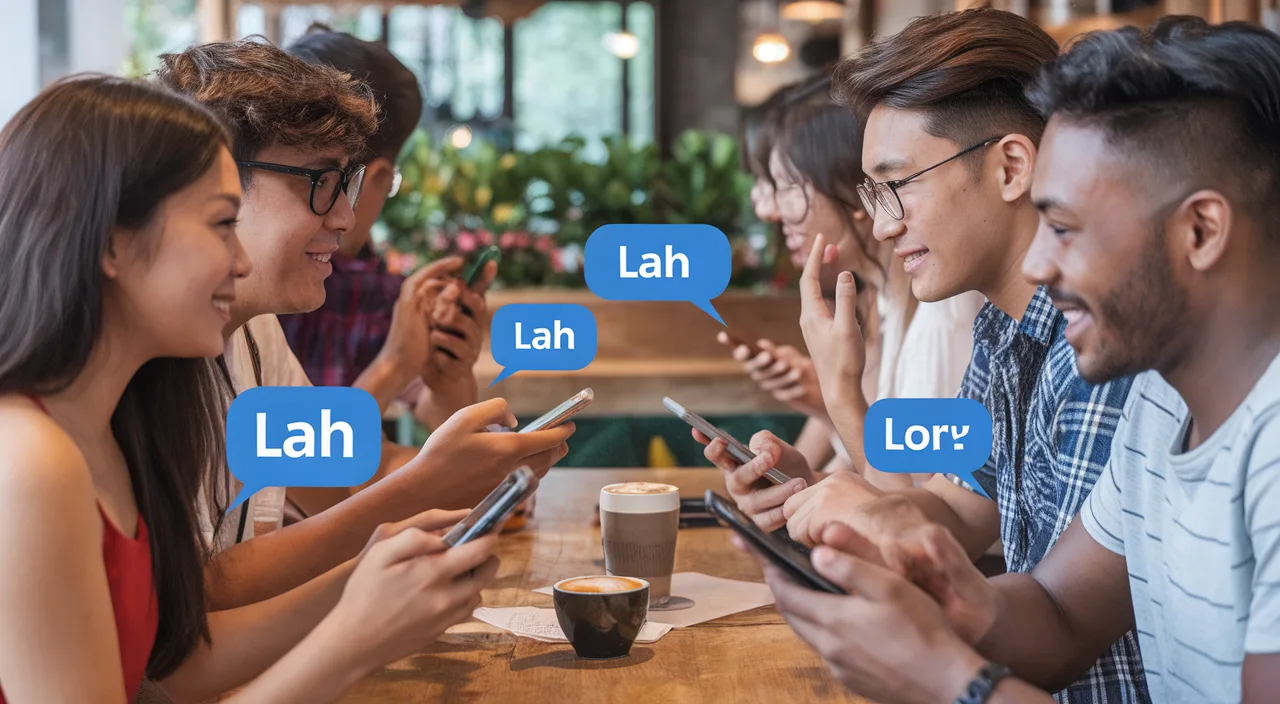
Schools once tried to “sanitize” our local lingo. Now? Popular Singlish phrases are thriving on social media, memes, brand campaigns, and theatre scripts across Singapore culture.
Gen Z slang today has absorbed and evolved classic Singlish words – “Don’t anyhow gaslight me leh”, “He like damn blur sia”, “She’s legit jialat.” Understanding Singlish now means appreciating how it’s been modernized while keeping its authentic roots.
Even expats and tourists are picking up these phrases. Many love the raw expressiveness of our local lingo. One expat told me, “I said ‘shiok’ in front of my Singaporean colleague – she smiled like I gave her ang bao.”
From viral TikToks to corporate conversations, Singlish phrases are flexing their cultural muscle. Our coded language has gone mainstream, proving its enduring power in Singapore culture.
How Singlish Reflects Singaporean Identity
Every popular Singlish phrase tells our story as a small but resilient nation built on hustle, community, and the occasional sarcastic “steady pom pi pi.” Understanding Singlish means understanding how we see ourselves and our world.
Our local lingo embodies kampong spirit in linguistic form – it’s shared, flexible, and forgiving. These Singlish words reflect everything from our migrant roots to modern MRT etiquette. The language works best in groups because it’s not just what you say, it’s how you’re understood by people who share your cultural context.
Just nice. Not too dramatic, not too cold. That’s what popular Singlish phrases represent – the perfectly balanced Singapore way of expressing ourselves and connecting with each other.
FAQs: Understanding Singlish Phrases in Depth
- What does ‘shiok’ mean in Singlish? It expresses deep satisfaction or pleasure, emotionally or sensorially.
- Is Singlish a language or dialect? It’s a creole — a mashup of English with Malay, Hokkien, Teochew, Tamil and more.
- Why do Singaporeans say ‘lah’, ‘lor’, and ‘leh’? They’re sentence particles to convey mood and tone — playful and expressive.
- Is Singlish appropriate in professional settings? Depends. Not for speeches, but casual chats? Can lah.
- Can foreigners use Singlish? Can, if sincere. Use with warmth, not mockery — Singaporeans will know.
- Where can I learn Singlish? Talk to locals, follow Singlish pages, listen to conversations in kopitiams.