Steady bom pi pi praises someone or something as exceptionally steady, reliable or impressive. Learn its meaning, tone, examples and proper usage.
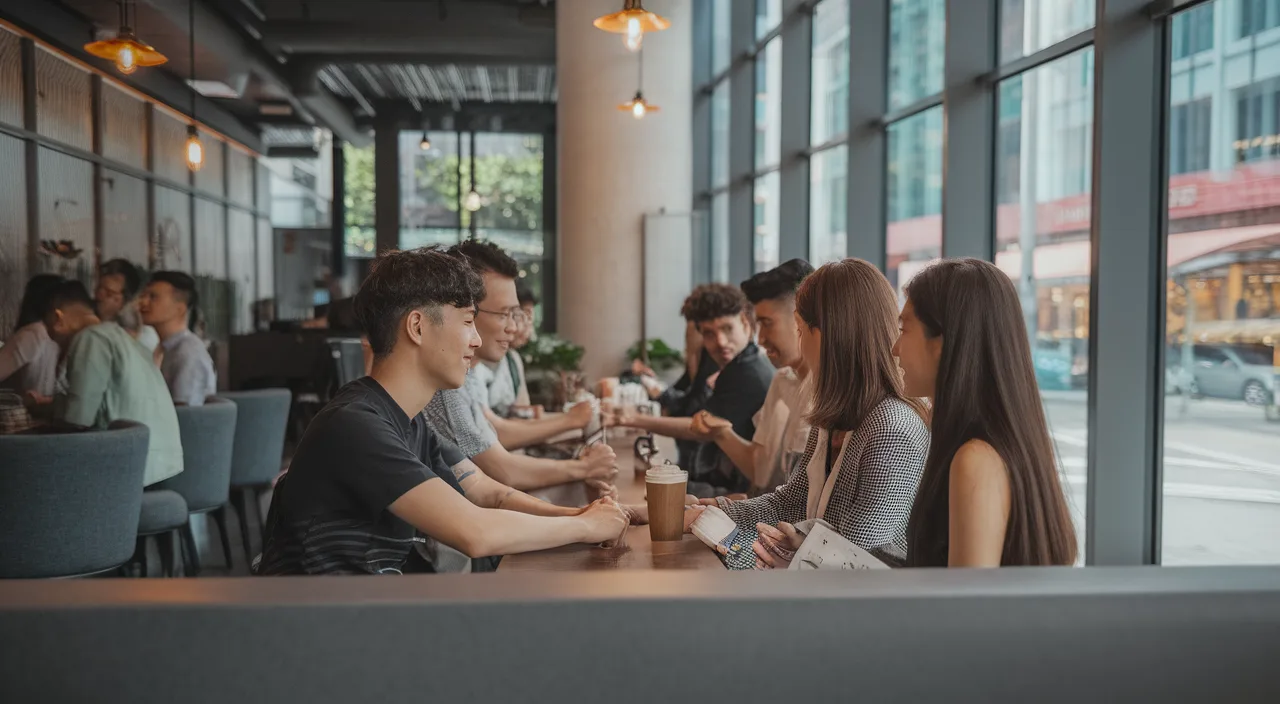

Steady bom pi pi praises someone or something as exceptionally steady, reliable or impressive. Learn its meaning, tone, examples and proper usage.

As a local cultural blogger passionate about Singaporean slang, I know the struggle is real when it comes to using Singlish terms like ‘Fuyoh’ without feeling like you’re trying too hard or, worse, sounding awkward. We’ve all been there, right? You hear someone drop a perfectly timed ‘Fuyoh’ and think, ‘Wah, so natural!’ But when you try it, it feels… different. This article is your ultimate guide to mastering ‘Fuyoh’ – not just the meaning, but the art of using it with confidence, authenticity, and without earning a single side-eye. We’ll dive into its cultural significance, offer practical tips for seamless integration into your everyday chats, and share real-life anecdotes that will have you nodding along. Get ready to embrace this iconic Singlish gem and impress your friends with your linguistic finesse.
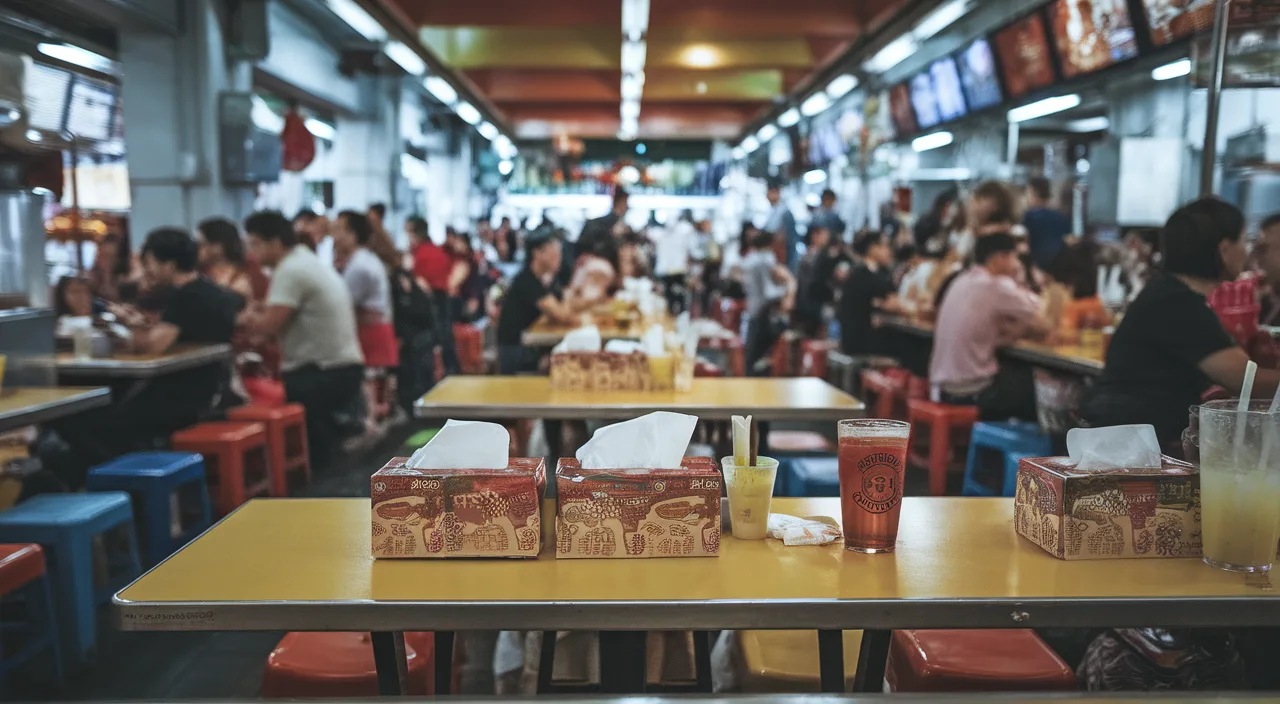
Chope means to reserve a place in Singapore, especially a hawker-centre seat with tissues. Learn the etiquette, examples, origin and visitor tips.
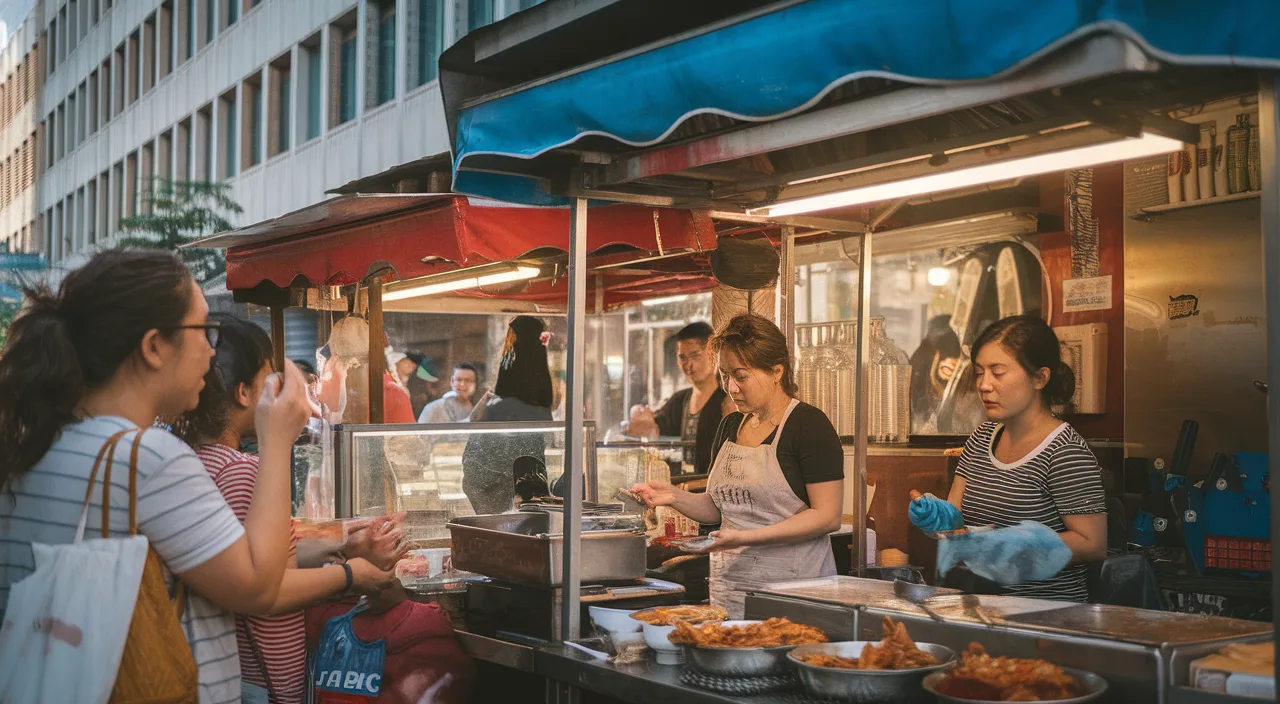
Guai lan means deliberately difficult, obstructive or annoyingly troublesome in Singapore slang. Learn its Hokkien roots, tone, examples and when not to use it.
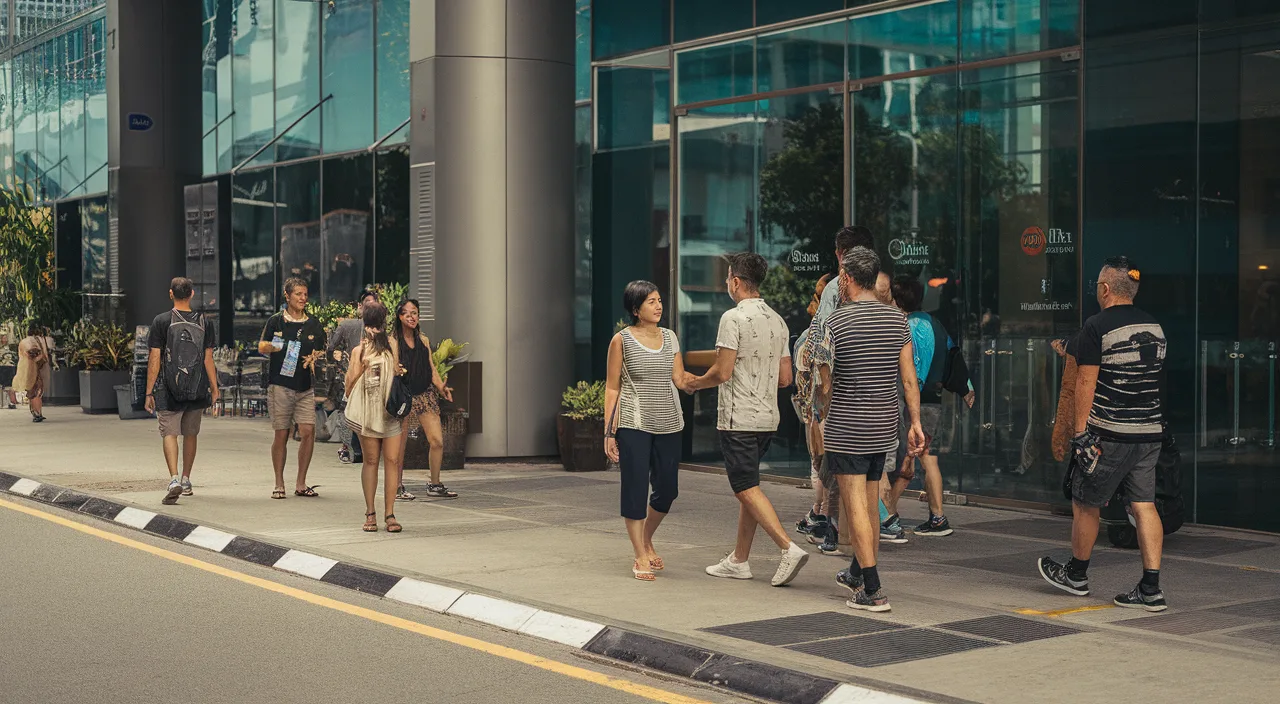
Guai lan behaviour means deliberately difficult, obnoxious or fault-finding conduct. Learn the signs, respectful responses and matching local designs.
Pon means deliberately skipping class, work or another obligation. Learn its Malay roots, natural Singlish usage, examples and important differences from absence or AWOL.
Jiak kantang literally means “eat potatoes” and describes someone perceived as Westernised. Learn its mixed-language roots, examples and respectful usage.
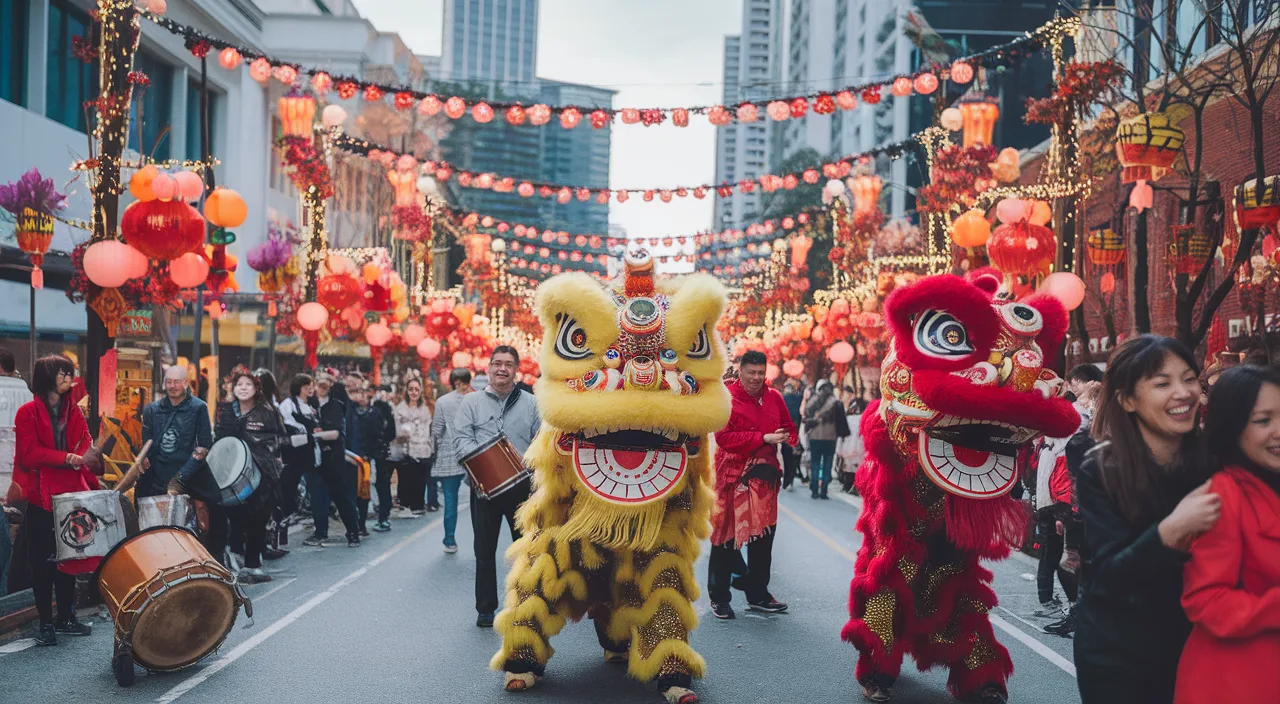
Ling ling long long Singapore — whether shouted playfully by your friend during Chinese New Year or captioned hilariously in a meme, this phrase has become a true blue staple of modern Singlish. Rooted in local humour and culture, ‘ling ling long long’ is a phrase many Singaporeans instinively understand even if they can’t define it. This comprehensive guide will break down what exactly ‘ling ling long long Singapore’ means, how it originated, where we’ve seen it cheekily pop up in pop culture, and most importantly — how you can use it like a true local. We’ll also dive into why Singlish phrases like this are essential ingredients in Singapore’s multicultural linguistic identity. Whether you’re exploring Singaporean culture or just someone who loves quirky local language, get ready to understand the ling, the long, and everything in between.