Punggol end is an informal Singapore joke for somewhere that feels far or out of the way. Learn the real geography, tone and natural usage.
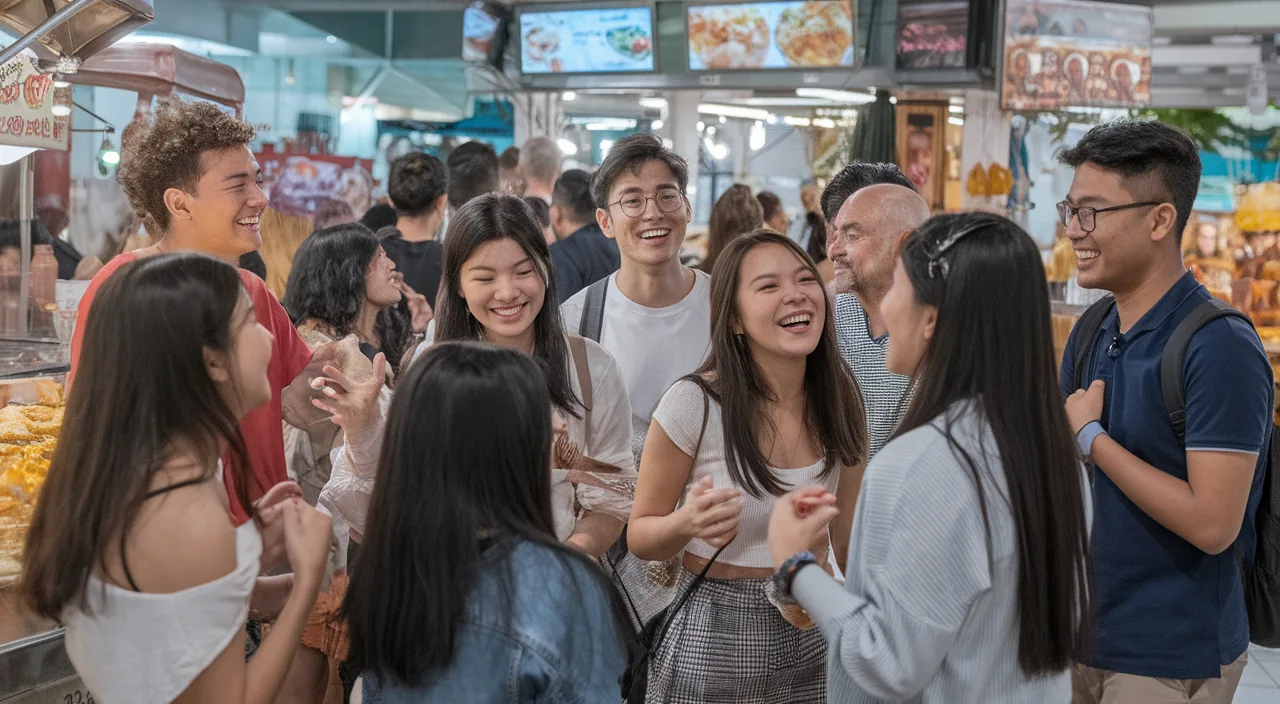

Punggol end is an informal Singapore joke for somewhere that feels far or out of the way. Learn the real geography, tone and natural usage.
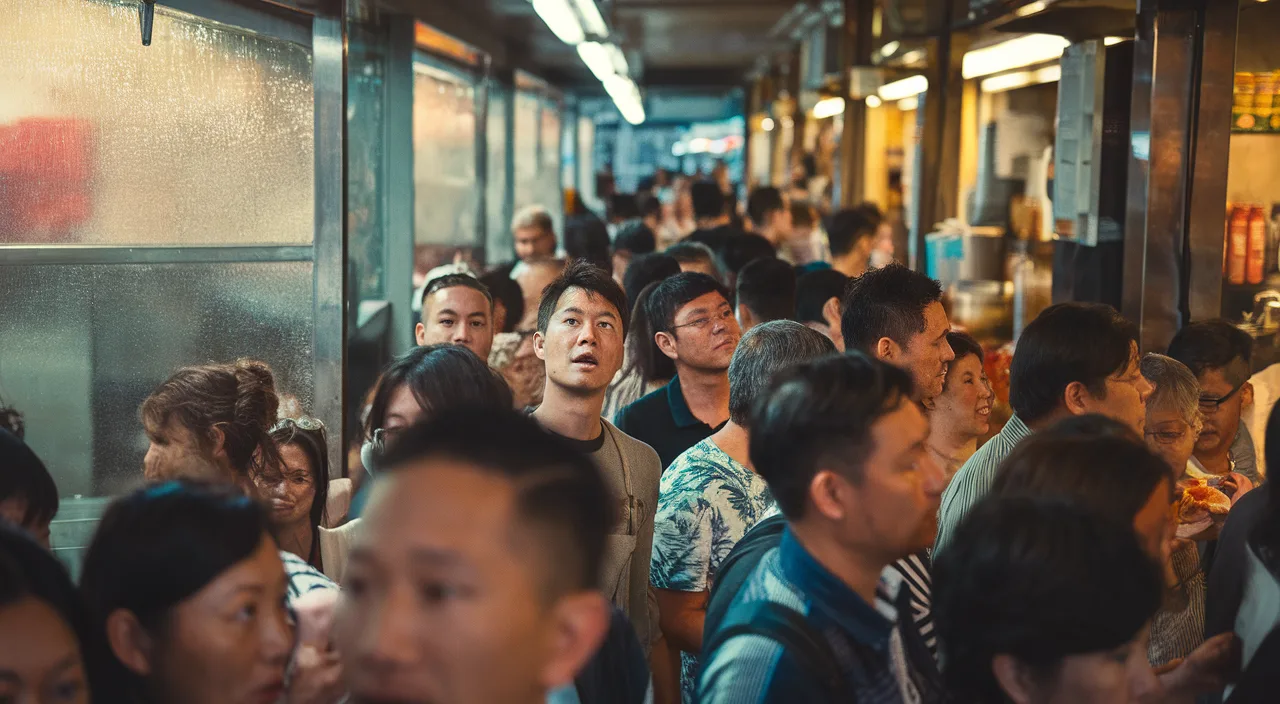
Face like cannot tahan — if you’ve been in Singapore long enough, you’ve definitely seen this classic expression mid-MRT ride or after someone chomps down on super spicy mala. It’s one of those golden Singlish phrases that instantly paints a picture without needing any subtitles. In this witty, culturally-jialat deep dive, we’ll explore why Singaporeans know exactly when to say face like cannot tahan — whether it’s sweaty hawker centre dramas, Zoom meetings from hell, or just watching someone queue-cut at Koufu. We’ll break down how the phrase works, the tone and expressions that go with it, the social instincts behind its usage, and most importantly… how not to kena use it wrongly. If you’ve ever wondered when to drop a sharp wah, his face like cannot tahan leh at the perfect roast-chicken timing, this one’s for you. You’ll embrace the quirks of Singlish culture, decode how such expressions give life to otherwise sian situations, and come out ready to yaya your way through daily small talk like a certified local.
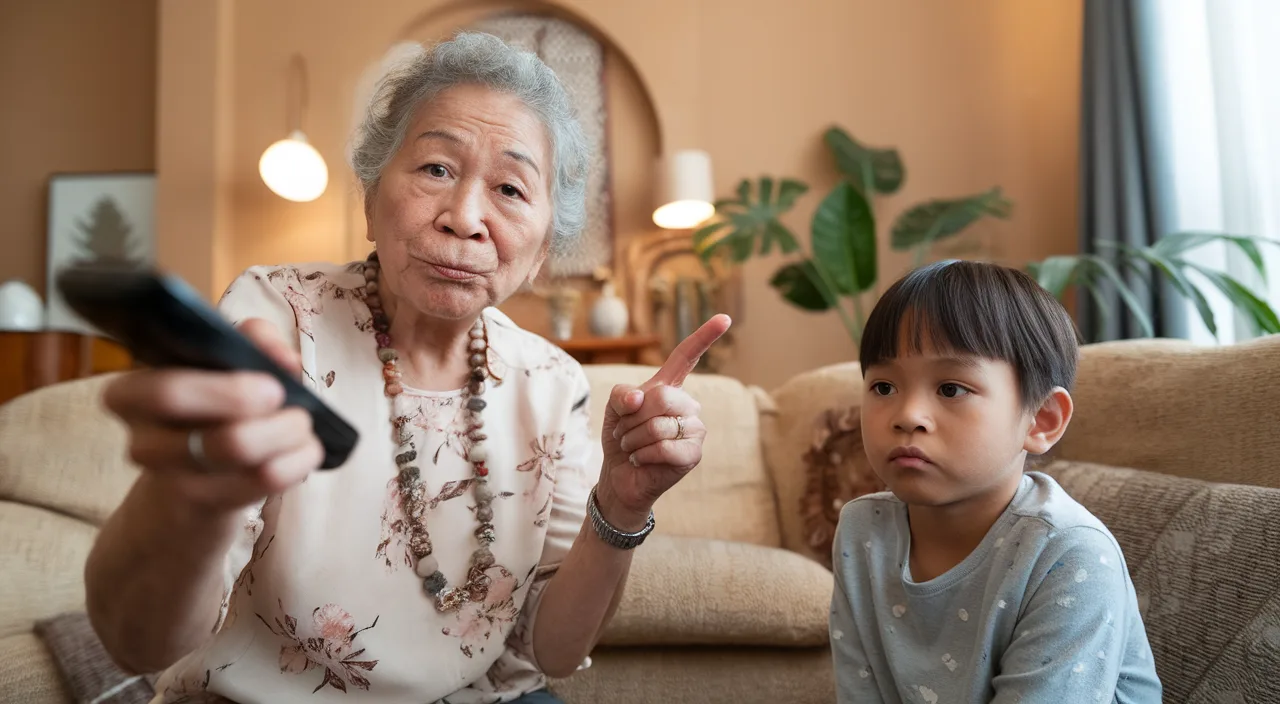
In the heart of almost every Singaporean household, there’s an Ah Ma with a razor-sharp tongue and a Singlish flair that can make or break your day. One of her most iconic go-to phrases? ‘Bo liao.’ Whether she’s commenting on your late-night TikTok scrolling or why you folded your clothes ‘like that,’ there’s a deep cultural story behind every sarcastic ‘bo liao’ muttered under her breath. In this article, we unpack the hilarious yet insightful essence behind Ah Ma bo liao, translating the phrase and uncovering its roots in Singaporean culture. Using real-life examples, family moments, and a generous serving of wit, we decode Ah Ma’s unique perspective, why bo liao doesn’t just mean boredom, and how understanding these phrases helps us stay connected to both language and heritage. Whether you’re a Gen Z navigating the hybrid world of Western trends and local roots or a young professional wondering if Ah Ma low-key just roasted you again—you’re in the right place.
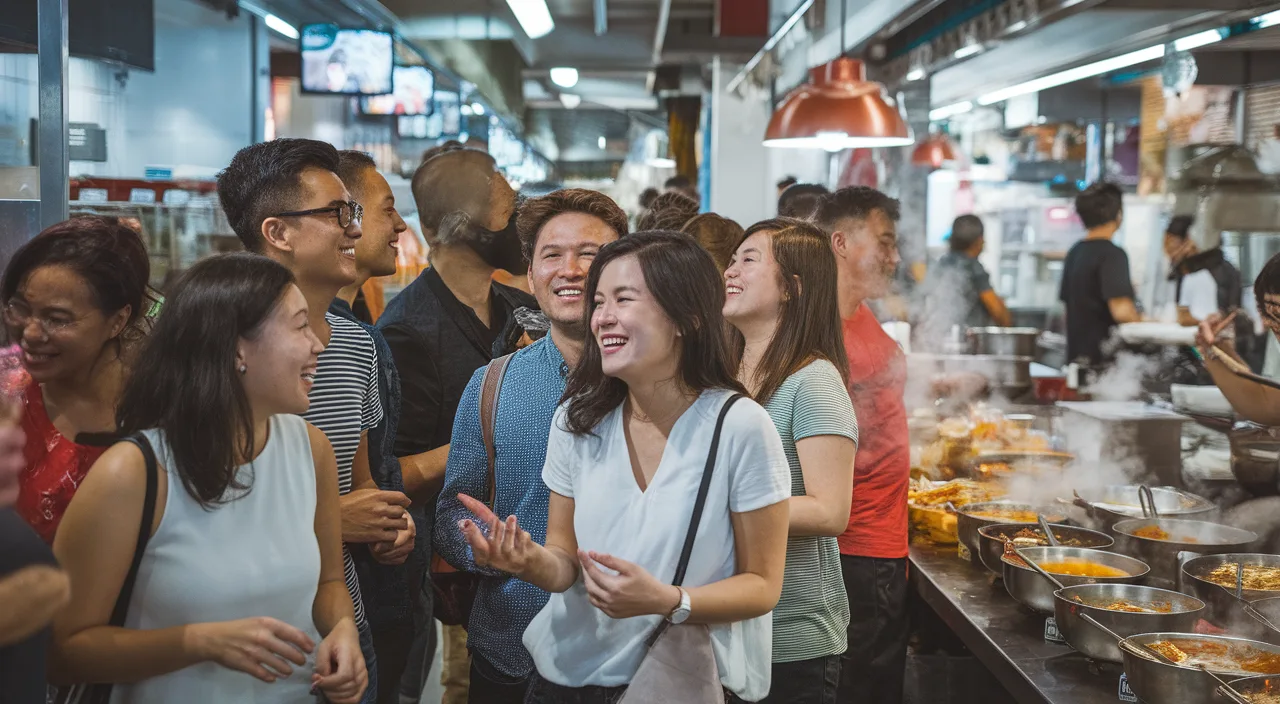
In Singapore, sometimes English just doesn’t cut it lah. That’s where Singlish steps in—with words so unique, so packed with local flavour, that even the Queen’s English kena outshined. In this article, we deep dive into The Singlish Word That Says What English Can’t—words like ‘lah’, ‘shiok’, and ‘sian’—expressions that carry emotional and cultural weight that simply gets lost in translation. Our journey through the vibrant streets of Singapore’s spoken word will not only unpack the meanings and tones behind these famous Singlish expressions but also teach you how to use them like a true local. Learn the origins of Singlish, why it holds power in the fabric of our identity, and get practical tips on using these phrases in everyday conversations. Whether you’re a millennial Singaporean looking to reconnect with your rojak roots, a Gen Z trying to flex some linguistic pride, or an expat hoping to blend in better, this is your passport to understanding Singlish—and local life—better.
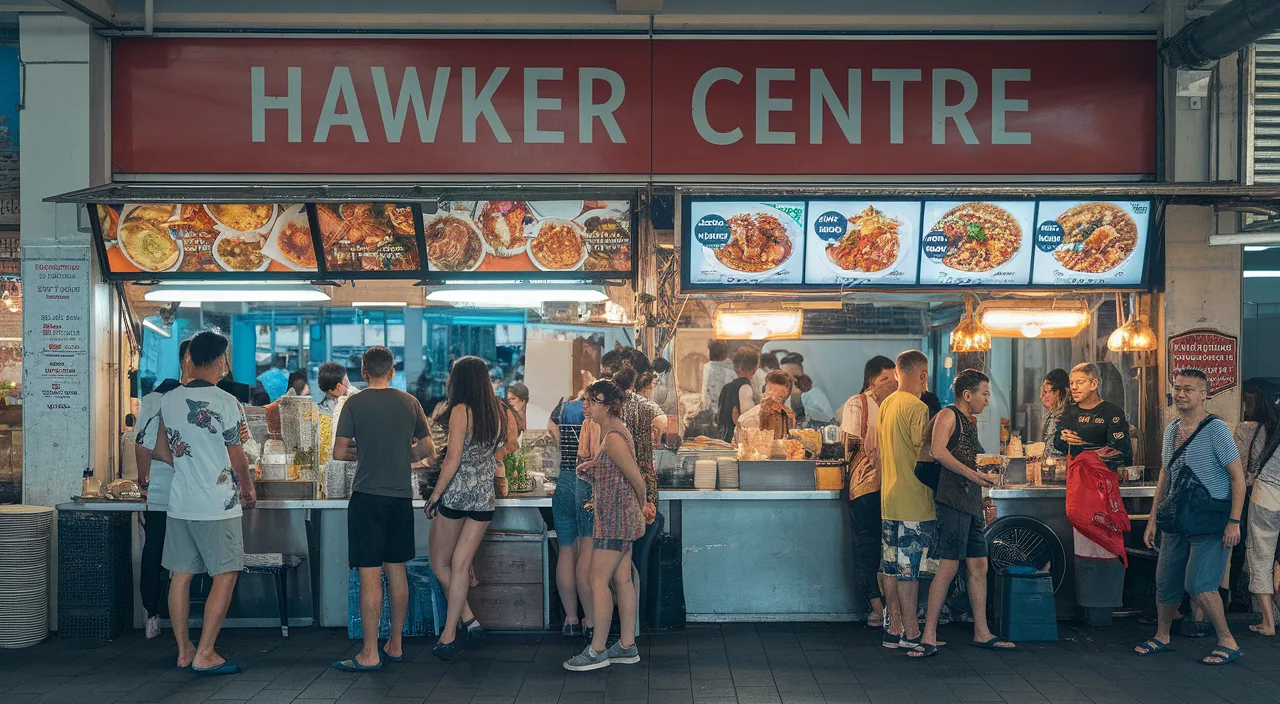
Discover what ‘hiam’ really means in Singapore and why this Singlish word is more powerful than you think. From its Hokkien origins to modern usage, learn how Singaporeans use ‘hiam’ to express dissatisfaction with style. Whether you’re new to Singapore or want to master local slang, understanding ‘hiam’ gives you insight into authentic Singaporean communication and culture.
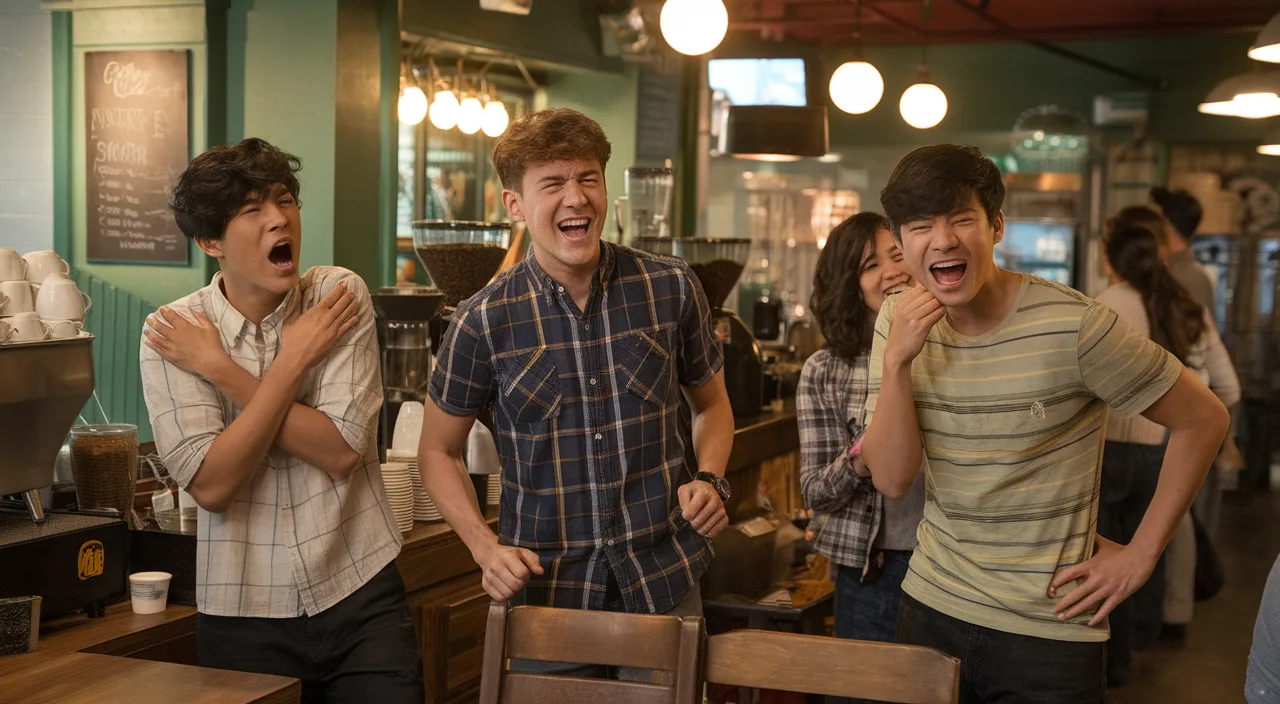
Want to master the fine art of dramatic Singlish? Discover the science (and sass) behind using ‘Isit’ for maximum drama in your everyday conversations. We’ll guide you through the quirks of Singaporean slang, teach you how to deliver this powerful expression effectively, and break down when ‘Isit’ transforms from a harmless reaction to a full-on dramatic mic drop. Whether you’re Gen Z or a young-at-heart millennial, understanding the tonal power and timing of this simple word can boost both your comedy chops and conversational flair. Think of this blog as your unofficial guide to hawker stall banter mastery. Dive into real-world examples, local scenarios, and cheeky Singlish expressions that will sharpen your cultural wit and language play.
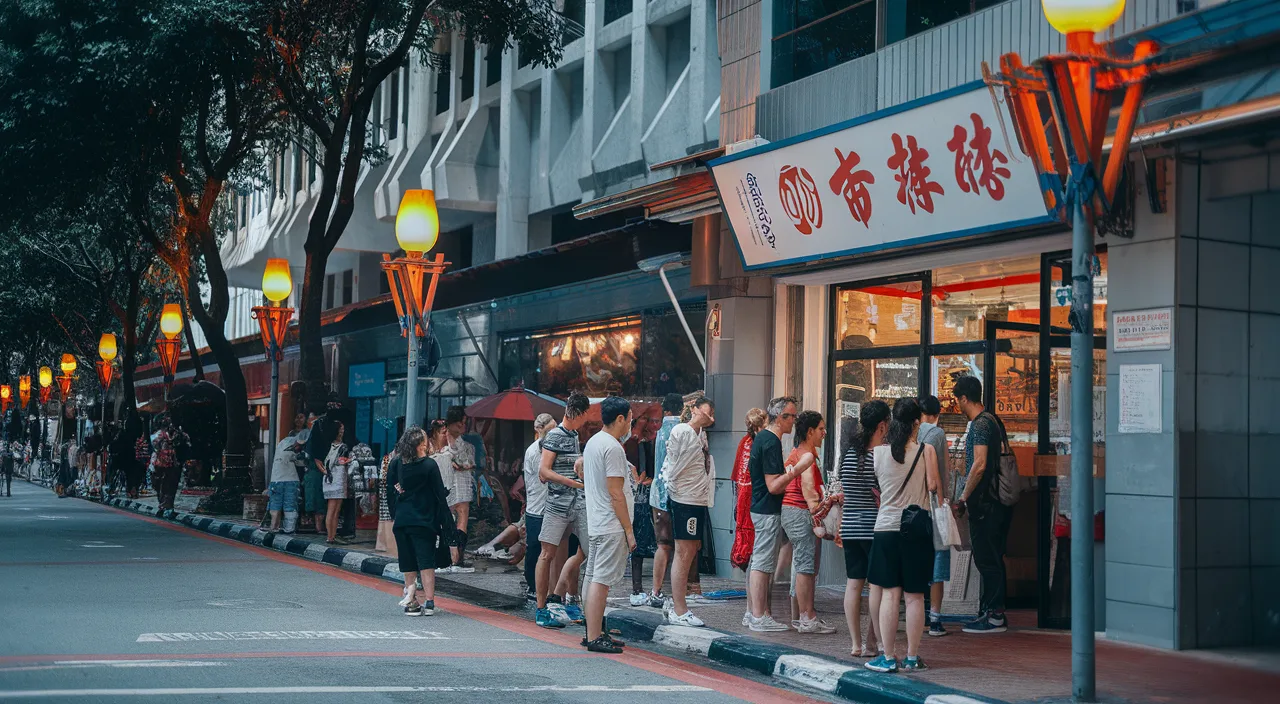
Understanding Singaporean Kiasu Culture isn’t just about knowing when someone’s being competitive – it’s about grasping the DNA of what makes us uniquely Singaporean. This comprehensive guide explores real kiasu behavior in daily life, from hawker centre queues to bubble tea launches, and breaks down essential Singlish phrases that reveal our kiasu mentality. Whether you’re navigating the difference between kiasu vs kiasi or trying to understand why your auntie volunteers at school years in advance, we’ll show you how embracing these Singaporean quirks makes you authentically local. Get ready for honest stories, cultural insights, and why being a little kiasu isn’t always a bad thing.
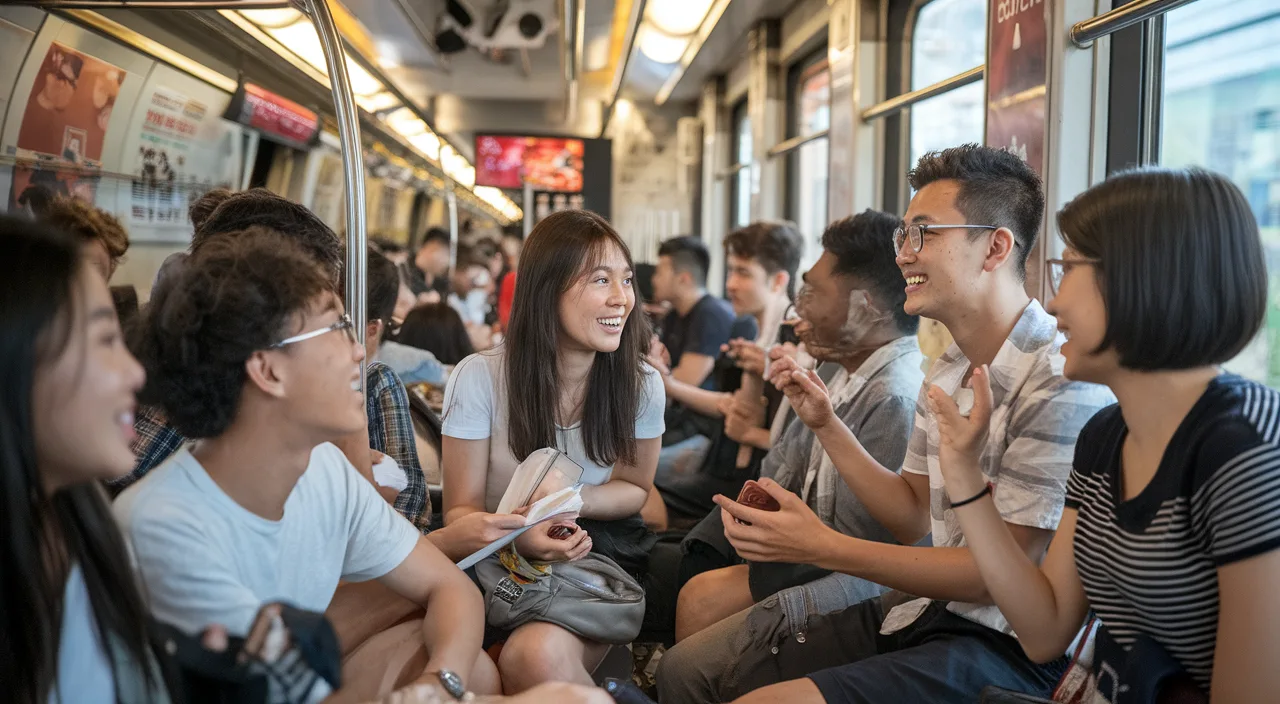
Gila means crazy or mad in Malay and Singlish, but Singaporeans also use it for surprise, admiration and disbelief. Here’s how tone changes the meaning.