What Is Singaporean Kiasu Culture, Really?
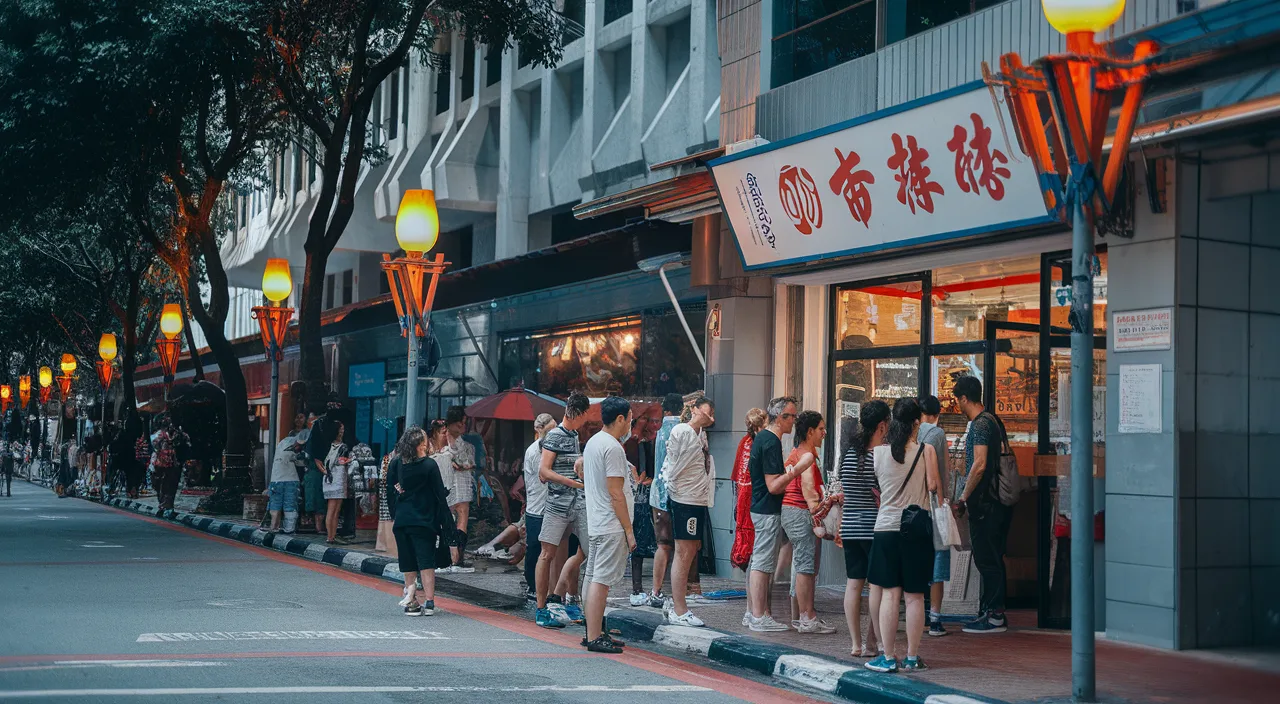
Singaporean Kiasu Culture goes far beyond someone cutting queue at a buffet line. It’s a deeply ingrained mindset that reflects our competitive spirit, fear of missing out, and that distinctly Singaporean drive to always stay one step ahead.
-

Brand, Parody, Romper, Singapore, Typography
$25.00 Select options This product has multiple variants. The options may be chosen on the product page
TL;DR – Understanding the Kiasu-ness
- Definition: Kiasu = ‘Afraid to lose’. It’s not always a bad thing!
- Common signs: Queuing before shops open, hoarding free tissue packs, triple-confirming plans
- Where you’ll see it: Hawker centre queues, university applications, property balloting
- Cultural flavour: Blended with Singlish and our government’s efficiency obsession
- How it affects you: Shapes everything from urgency in education to our habits at Daiso
- Why it matters: Being ‘a bit kiasu’ is part of what makes you a real Singaporean
Understanding the Kiasu Mentality in Singapore
Be honest — have you queued 45 minutes for a new bubble tea launch… even though three other bubble tea shops were also open?
If you said yes, congratulations — you’re living, breathing, and experiencing authentic Singaporean Kiasu Culture. And honestly, it’s perfectly normal. We’ve all been there. In fact, being kiasu is practically our national characteristic.
The kiasu mentality in Singapore isn’t just about being competitive or opportunistic — it’s a natural response to our environment. We grew up on a tiny island with limited resources, where success often feels like a game of musical chairs. So what did we do? We started running before the music even started playing.
This mindset has made us efficient, detail-obsessed (hello Excel itinerary travellers), and occasionally FOMO-driven creatures. But it also made us survivors and achievers. Whether it’s securing a GrabFood promo before it expires or choosing CCAs strategically, the kiasu mentality is woven into our cultural fabric.
-
-
Graphic, Inspixe, Ladies, Mens, Quote, T-shirts, Typography
Price range: $30.00 through $38.00 Select options This product has multiple variants. The options may be chosen on the product page

Real Examples of Kiasu Behavior in Daily Life
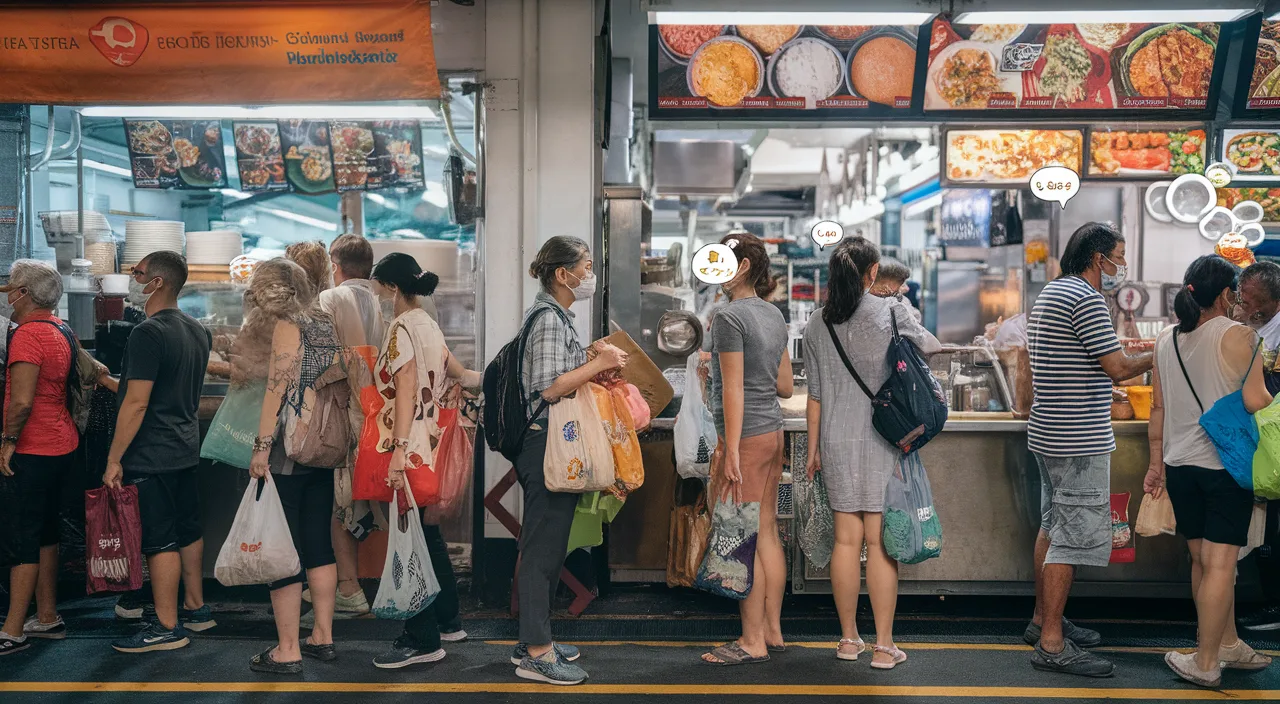
Let’s be honest — every Singaporean has at least one utterly kiasu moment stored in their memory bank.
1. The Buffet Plate Pyramid
You know that friend (or *are* that friend) who stacks an impossible mountain of food on one plate during buffets — just so they don’t “waste time” on second rounds? That’s pure Singaporean Kiasu Culture in action. Bonus points if it’s mostly crab legs.
2. The Primary School Signup Olympics
Ask any Singaporean parent and they’ll tell you: balloting for a ‘good’ primary school is like trying to win concert tickets. Parents will volunteer years ahead, just to secure better positioning in Phase 2B. That’s a perfect example of how the kiasu mentality in Singapore shapes major life decisions.
3. The One-For-One Shopping Frenzy
Ever witnessed people grabbing 10 pairs of socks just because Uniqlo had a ‘buy 1 get 1 free’ deal? It’s not because we desperately need more socks— it’s because someone else might snag the deal first. Classic FOMO meets classic kiasu behavior.
4. The CCAs Arms Race
During my JC days, there was this guy who joined four CCAs simultaneously — table tennis, drama, student council AND Chinese Orchestra. When asked how he manages it all, his response? “Scholarship application requirements.” Pure strategic kiasuism.
Essential Singlish Phrases for Understanding Kiasu Culture
To truly decode everyday conversations and understand Singaporean Kiasu Culture, mastering these Singlish phrases is crucial — especially ones that capture the essence of our kiasu spirit.
- “Wah, you damn kiasu leh.”
Translation: You’re trying way too hard not to lose out. - “Go early lah, later no more seats.”
Translation: Be proactive (kiasu) and you’ll secure what you want. Don’t say we didn’t warn you. - “Free one leh!”
Translation: Don’t need it? Take it anyway. Because it’s complimentary. - “Don’t wait lah!”
Translation: Hesitation leads to missing opportunities.
Want to witness authentic examples of kiasu behavior in daily life? Just observe a new store launch. Better yet, listen to conversations during early morning NTUC runs. It’s like experiencing spoken kiasu poetry in real time.
-
-
hashtag, KaoBeiKing, Quote, Singlish/Hokkien, T-shirts, Typography
Price range: $30.00 through $38.00 Select options This product has multiple variants. The options may be chosen on the product page
Kiasu vs Kiasi: Understanding the Key Differences
This distinction confuses even locals sometimes. Here’s the breakdown: Kiasu (怕输) means “afraid to lose,” while Kiasi (怕死) means “afraid to die.” These represent completely different approaches to life.
Here’s how to distinguish them:
- Kiasu: Camps outside stores for opening day sales. Motivated by winning and opportunity.
- Kiasi: Avoids crowded places during flu season. Motivated by safety and risk aversion.
Think of it this way: Your kiasu friend books multiple tuition slots to secure the best teacher. Your kiasi friend won’t take the MRT during peak hours because it’s ‘too crowded’ during cold season. Both approaches are valid, slightly intense, and completely Singaporean.
Navigating Kiasu Behavior in Your Daily Life
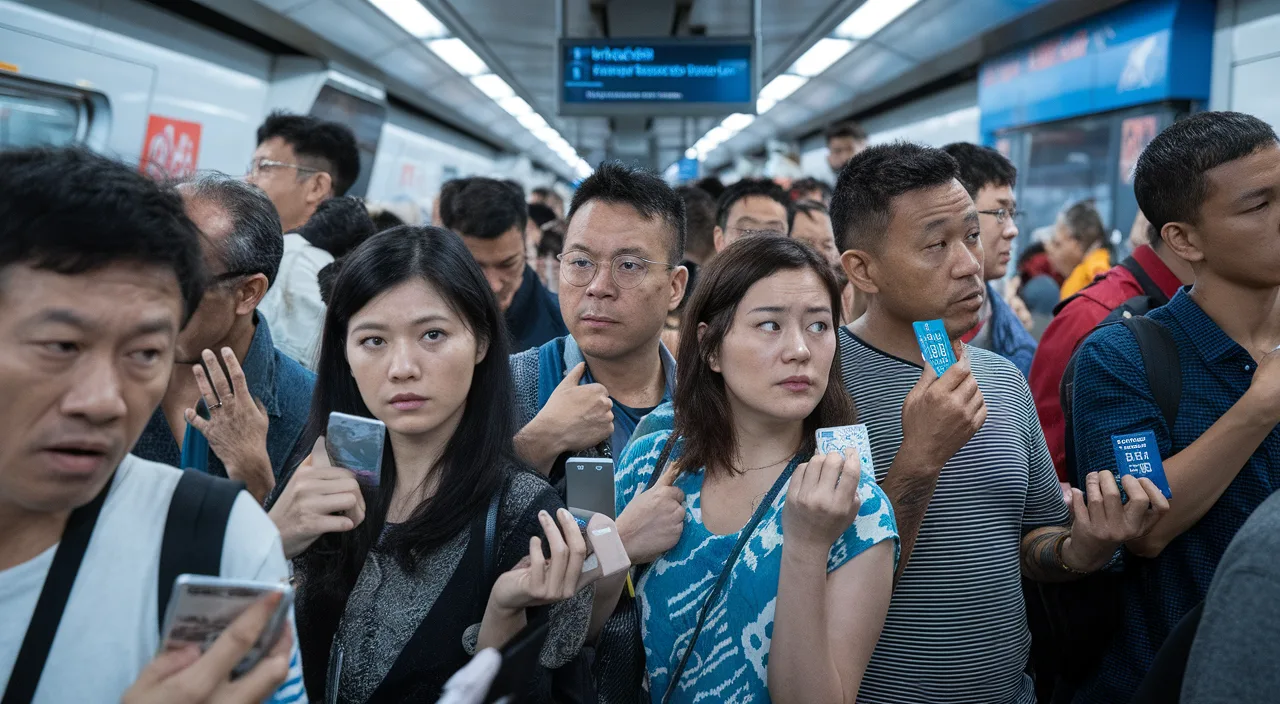
Let’s move beyond shame — embracing Singaporean Kiasu Culture has genuine advantages when channeled appropriately. Here’s how the kiasu mentality in Singapore can work for you without driving everyone crazy:
1. Channel It Strategically — But Stay Balanced
Taking detailed notes during lectures? Topping up credit cards before promotions expire? These behaviors save time and money. But losing sleep because you missed a discount voucher? That’s when you need to reassess your priorities.
2. Queue for Quality — Not Just Popularity
Waiting 2 hours for authentic Michelin-starred chicken rice? Totally worth it. Queuing just because you see a crowd and feel left out? That’s creating unnecessary stress for yourself.
3. Learn When to Release Control
Sometimes, the most powerful move is not making one. Missed that Grab promotion? No need to rage-delete the app. Allow the kiasu moment to pass naturally.
4. Celebrate Your Singaporean Authenticity
Whether it’s your mother collecting NTUC plastic bags or your colleague rushing to catch the lift before others make eye contact — these behaviors reflect who we are culturally. Acknowledge them, laugh about them, and own them. Then go early to your dentist appointment… just to be safe.
Embracing Kiasu Culture: Be Competitive, But Stay Kind
At the end of the day, understanding Singaporean Kiasu Culture means recognizing when these behaviors serve us well. It’s our cultural superpower — the reason we excel academically, leave home 20 minutes early for appointments, and never miss a McSpicy 1-for-1 notification.
So next time you find yourself rushing to submit an early bird contest entry, just smile and think: “Got opportunity, must try, right?” Remember — being kiasu isn’t a character flaw. It’s a uniquely Singaporean feature that connects us all.
Frequently Asked Questions
1. What does ‘kiasu’ actually mean in Singapore?
‘Kiasu’ is a Hokkien term meaning ‘afraid to lose’. In Singapore, it refers to behavior driven by fear of missing out, competition, or striving to get ahead, sometimes at all costs.
2. What are some everyday examples of kiasu behavior?
Examples include queuing before shops open, rushing for free samples, over-studying, securing tuition classes months ahead — anything that gives you an advantage over others.
3. Is it bad to be kiasu?
Not necessarily. There are productive sides to being kiasu — like planning ahead or making efficient decisions. It gets unhealthy when it becomes obsessive or inconsiderate to others.
4. How is kiasu different from kiasi?
‘Kiasu’ means afraid to lose; ‘kiasi’ means afraid to die. Kiasu people try not to miss out, while kiasi people avoid risk or danger. Two different mindsets!
5. Where can I observe true Singaporean kiasu culture?
Try hawker centres during peak lunch hours, Daiso on sale days, or even National Day Parade balloting season. Observe respectfully — don’t stare too hard lah.
6. Are there upsides to kiasu culture?
Definitely. Kiasuism pushes us to excel, prepare thoroughly, and be resourceful. Just don’t let it morph into toxic competition.
7. Why is kiasu such a big part of Singaporean behavior?
It’s tied to our societal values — meritocracy, scarcity of resources, and a fast-paced urban life. It’s our way of coping and thriving in a highly competitive environment.