
What does guai lan mean in Singapore slang?
Guai lan, a ubiquitous Hokkien-derived term in Singapore, encapsulates a specific type of annoying, difficult, or troublesome behaviour. It describes someone who is deliberately uncooperative, throws a tantrum, or exhibits a generally recalcitrant attitude that disrupts or frustrates others.
-

Chinese, Graphic, KaoBeiKing, Quote, T-shirts, Typography, Valentines
Price range: $30.00 through $38.00 Select options This product has multiple variants. The options may be chosen on the product page
TL;DR: Decoding “Guai Lan”
TL;DR: Guai lan is a versatile Singaporean Hokkien-derived slang term describing a person or situation that is annoying, difficult, or troublesome. It’s not just about being difficult; it often implies a deliberate, uncooperative, or obstinate attitude that frustrates those around them. The term captures a spectrum of behaviour, from minor petulance to outright recalcitrance.
- Meaning: Annoying, difficult, troublesome, recalcitrant, uncooperative.
- Origin: Hokkien, directly translating to “strange eggs” or “weird balls”, metaphorically indicating peculiar or difficult behaviour.
- Tone: Can range from mild exasperation to outright frustration or anger. It’s rarely a compliment.
- Usage: Applied to individuals, situations, or even inanimate objects that are problematic. “Why is this Wi-Fi so guai lan?”
- Situations: Common in daily interactions – work, family, public spaces, traffic. When someone makes things unnecessarily hard for others.
- Misunderstandings: Non-locals might misunderstand its intensity or nuance, confusing it with simple rudeness or eccentricity rather than intentional obstruction.
- Variations: While “guai lan” is standard, its intensity can be expressed through context or other accompanying Singlish terms, though the core phrase remains consistent.
- Responses: Typically met with sighs, eye-rolls, direct confrontation, or a shared sense of exasperation, depending on the context and relationship.
Deconstructing the Phrase: What Exactly is “Guai Lan”?
In the vibrant tapestry of Singaporean street language, few phrases carry as much weight, nuance, and immediate understanding as “guai lan.” This Hokkien-derived term is more than just a simple descriptor; it’s a cultural shorthand for a very specific type of annoyance that permeates everyday life in this bustling city-state. To truly grasp the guai lan meaning, one must delve into its linguistic roots and the layers of interpretation Singaporeans attach to it.
The term “guai lan” originates from the Hokkien dialect, a significant linguistic substratum within Singapore’s multicultural society. It is a compound word: “guai” (乖 or 怪) can mean “obedient” or “strange/weird,” while “lan” (卵) literally refers to male genitalia, specifically testicles or eggs. Taken literally, “guai lan” might translate to “strange balls” or “weird eggs.” However, like many colourful idioms, its direct translation offers little insight into its metaphorical power. In context, “guai lan” signifies behaviour that is deliberately obstructive, frustratingly difficult, stubbornly uncooperative, or just plain annoying.
When someone is described as “guai lan,” it’s not merely a statement of their personality being “difficult.” There’s an underlying implication of intentionality, a sense that the person chooses to be problematic or makes things harder than they need to be. It suggests a certain recalcitrance, a stubbornness that goes beyond mere inefficiency or genuine inability. For example, a person who deliberately takes an unreasonable amount of time to complete a simple task, not because they are slow, but because they are making a point or being petty, would be perfectly described as guai lan.
-
hashtag, KaoBeiKing, Quote, Singlish/Hokkien, T-shirts, Typography
Price range: $30.00 through $38.00 Select options This product has multiple variants. The options may be chosen on the product page -
KaoBeiKing, Parody, Singlish/Hokkien, T-shirts, Typography
Price range: $30.00 through $38.00 Read more


The beauty of this phrase in Singapore slang lies in its ability to condense a complex emotional response—a mixture of irritation, exasperation, and often, a touch of resignation—into two succinct syllables. It encapsulates a situation where one feels like they are hitting a wall, not due to circumstance alone, but due to an active, often petty, resistance or obstruction from another party, or even from a system that seems designed to frustrate. Understanding what does guai lan mean is key to unlocking a deeper appreciation of local interactions and the unique ways Singaporeans navigate and articulate their daily frustrations.
This expression is an excellent example of how Hokkien terms have been seamlessly integrated into Singlish, creating a rich and expressive local lexicon. It is a term that transcends age and social strata, used by everyone from schoolchildren complaining about a strict teacher to professionals discussing a difficult client or an uncooperative vendor. Its pervasiveness underlines its utility and its resonance with a shared Singaporean experience of confronting the deliberately awkward or irritating aspects of life.
The Spectrum of “Guai Lan”: Tone and Intent
The true mastery of using “guai lan” lies in understanding its nuanced spectrum of tone and intent. It’s rarely a neutral term; it almost always carries a negative connotation, but the intensity of that negativity can vary widely, from mild exasperation to outright anger or contempt. This makes guai lan Singapore slang a powerful tool for expressing a range of frustrations.
At its mildest, “guai lan” can be used humorously or to express a light-hearted complaint about an inanimate object or an unavoidable situation. Imagine a Singaporean struggling with a persistently buffering internet connection. They might exclaim, “Wah, this Wi-Fi so guai lan today!” Here, the tone is one of minor annoyance, perhaps even resignation, but not genuine anger. It’s a way of personifying the inanimate object’s frustrating behaviour.
Moving up the scale, when applied to a person, “guai lan” often signals genuine irritation or annoyance. This could be directed at a colleague who is being deliberately unhelpful, a friend who constantly changes plans at the last minute, or a child who is throwing an unreasonable tantrum. In these scenarios, the term conveys a sense of personal frustration stemming from another individual’s obstinacy or troublesome actions. “Why is he always so guai lan? Just do it properly lah!” This implies a lack of cooperation or a deliberate intent to make things difficult.
At its most potent, “guai lan” can be an insult, implying deep-seated contempt for someone’s character or actions. This usage surfaces when a person’s behaviour is perceived as not just difficult, but maliciously so, or driven by pure spite. An individual who intentionally sabotages a team project or goes out of their way to make another person’s life miserable might be labelled “super guai lan.” In such cases, the term crosses into the realm of a serious accusation, highlighting a character flaw of being habitually difficult or spiteful. It’s no longer just about frustrating actions but about a frustrating disposition.
The intent behind the “guai lan” behaviour is crucial in determining the perceived tone. Is the person simply being difficult because they are genuinely confused or inept? Or are they choosing to be difficult? “Guai lan” strongly leans towards the latter. It points to a deliberate lack of willingness to cooperate, a stubborn adherence to an unreasonable position, or a petty act of obstruction. This distinction is vital for understanding why certain actions evoke a “guai lan” response, and others do not. It’s not just about a problem occurring; it’s about the feeling that the problem is being actively perpetuated or even created by someone’s troublesome attitude. Hence, grasping this underlying intentionality helps one fully appreciate the impact of this unique Hokkien phrase in everyday Singlish communication.
When and How to Use “Guai Lan”: Everyday Usage
The versatility of “guai lan” ensures its frequent appearance in almost every facet of Singaporean daily life. Its application extends far beyond just describing people, encompassing situations, and even inanimate objects. Understanding what does guai lan mean in various contexts is essential for navigating social dynamics in Singapore.
-
-
KaoBeiKing, Men, Parody, T-shirts, Typography
Price range: $30.00 through $38.00 Select options This product has multiple variants. The options may be chosen on the product page

The Ubiquitous Office and Workplace Scenarios
The office is a prime breeding ground for “guai lan” behaviour. Colleagues who refuse to share information, superiors who set impossible deadlines purely to assert dominance, or subordinates who deliberately drag their feet on tasks can all be labelled as guai lan. For instance, a project manager might lament, “That client is so guai lan, always changing requirements last minute and expecting miracles!” or a team member might complain, “My colleague is so guai lan, he never replies to emails promptly.” These instances highlight how the term captures frustration stemming from uncooperative or obstructive professional conduct. It’s often used when someone makes a job unnecessarily harder for others, either through pettiness, stubbornness, or a general lack of consideration. This is where understanding guai lan meaning becomes crucial for workplace communication, allowing for a shared expression of frustration over difficult individuals.
Family Dynamics and Personal Relationships
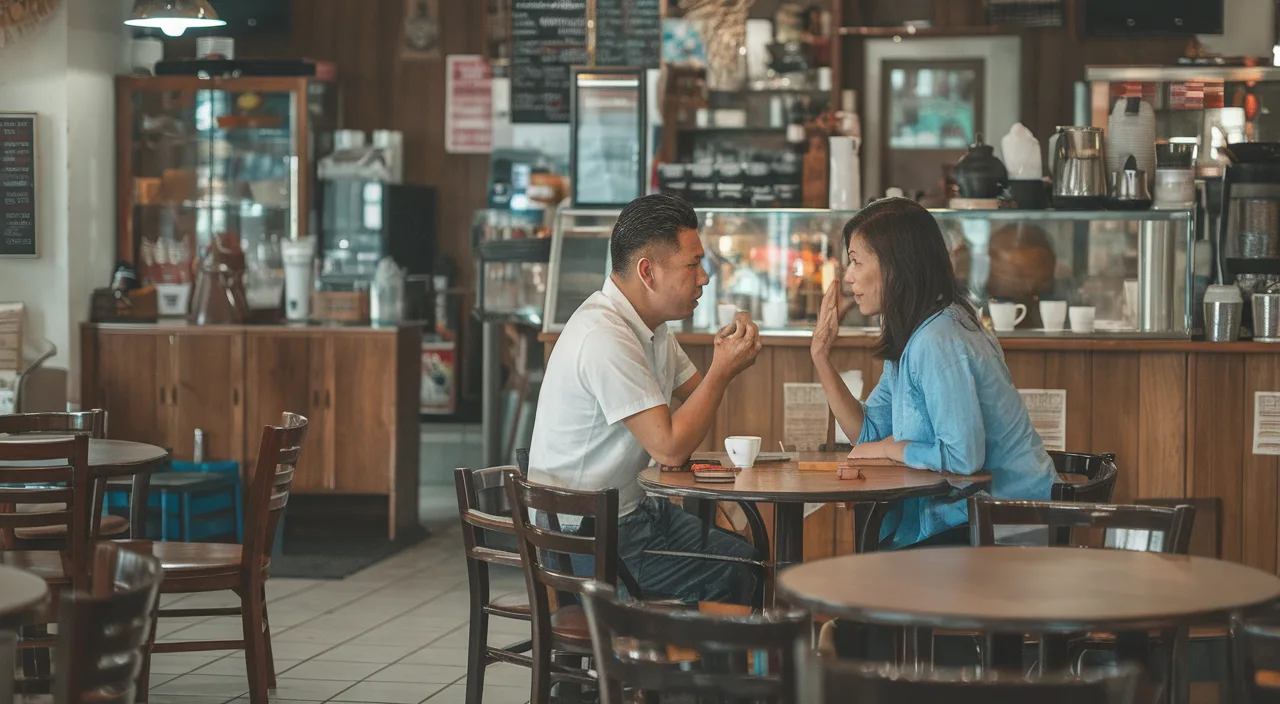
Even within the close confines of family and friendships, “guai lan” finds its place. A child refusing to do their homework despite repeated reminders might be told, “Don’t be so guai lan, just finish your work!” Or a parent who is overly strict and unyielding about minor rules could be described by their teenagers as being guai lan. Friends might use it good-naturedly, “You’re always so guai lan when it comes to deciding where to eat!” but it can also indicate genuine annoyance when someone is habitually uncooperative or throws unnecessary tantrums. It highlights the strain caused by someone’s persistent difficult behaviour in personal settings, making it a key term in understanding the nuances of Singapore slang within intimate circles.
Public Spaces and Customer Service
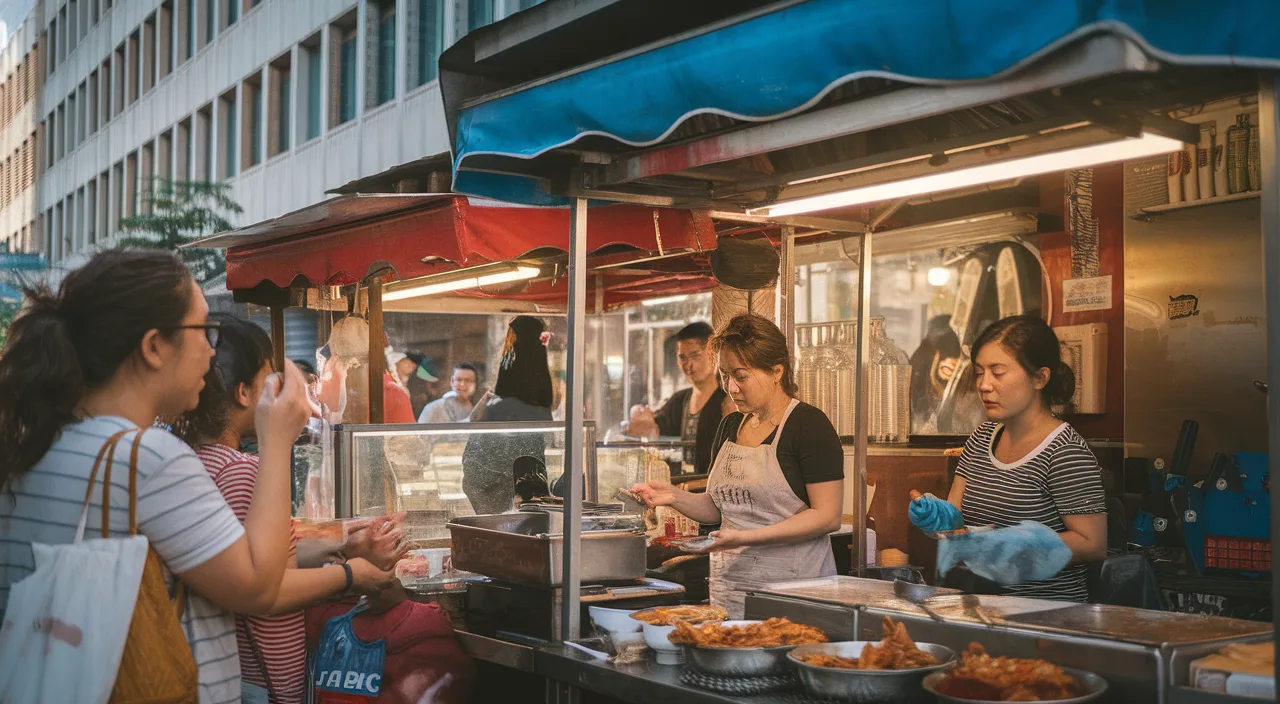
In a dense urban environment like Singapore, interactions in public spaces frequently give rise to “guai lan” situations. Drivers who cut queues, inconsiderate commuters who block doorways on public transport, or customers who make unreasonable demands on service staff are classic examples. A frustrated commuter might grumble, “That bus driver so guai lan, didn’t even stop properly for me!” or a hawker stall owner might sigh, “These customers are so guai lan, want everything custom-made and then complain about the price.” Here, “guai lan” articulates the annoyance caused by public inconsideration or unreasonable demands that disrupt the flow and peace of collective living. It’s a quick way to summarise a shared negative experience, making it a potent part of local phrases used to describe frustrating societal interactions.
Inanimate Objects and Unforeseen Circumstances
Perhaps one of the most interesting applications of “guai lan” is its anthropomorphic use for inanimate objects or frustrating circumstances. When a printer jams repeatedly, a computer crashes unexpectedly, or a traffic jam seems to stretch endlessly, Singaporeans might exclaim, “This printer is so guai lan!” or “The traffic today is super guai lan!” In these cases, the term metaphorically attributes a deliberate, annoying personality to the object or situation, even though no actual intent exists. It’s a way to vent frustration when things inexplicably go wrong or refuse to cooperate, highlighting the inherent pragmatism and occasional fatalism in Singaporean discourse. This widespread use further cements its status as a foundational element of Singlish terms, demonstrating its adaptability and descriptive power across diverse situations.
Grammatically, “guai lan” can function as an adjective (“He is so guai lan“), a verb (“Don’t guai lan lah!”), or even as part of a noun phrase (“His guai lan attitude is unbearable”). This linguistic flexibility underscores its deep integration into the everyday conversational fabric of Singapore.
Navigating the Minefield: Misunderstandings and Cultural Nuances
For those unaccustomed to the intricacies of Singapore slang, particularly non-locals or new residents, the term “guai lan” can be a source of significant misunderstanding. Its depth of meaning and cultural context are not immediately apparent, leading to potential misinterpretations that can hinder effective communication and social integration. Simply translating “guai lan” literally as “strange balls” offers absolutely no insight and can even be misleading or offensive without proper context.
One common misunderstanding is to equate “guai lan” with merely being “difficult” or “weird.” While there’s an overlap, “guai lan” implies a more specific kind of difficulty—one that often carries a connotation of deliberate uncooperativeness or petty obstruction. A person might be difficult due to shyness, awkwardness, or genuine misunderstanding, but these aren’t typically described as “guai lan.” “Guai lan” is reserved for someone who seems to be choosing to be difficult, making things harder than necessary out of stubbornness, spite, or an unreasonable attitude. For instance, a customer who is simply slow to make a decision isn’t “guai lan”; a customer who insists on an impossible request and refuses to compromise, despite clear explanations, is. Understanding this distinction is crucial for grasping the true guai lan meaning.
Another nuance that often gets lost is the intensity and emotional weight behind the term. Depending on the context and the speaker’s relationship with the subject, “guai lan” can range from a light-hearted complaint to a serious accusation. A non-local might hear it used playfully amongst friends and assume it’s always benign, only to inadvertently offend someone by using it in a more serious context. Conversely, they might dismiss a genuine expression of frustration as mere light banter if they underestimate the term’s underlying irritation. The social cues – tone of voice, body language, and the nature of the relationship – are paramount in interpreting the true impact of the phrase.
The cultural context also plays a significant role. In Singapore, where harmony and efficiency are often highly valued, behaviour that disrupts this balance is easily labelled as “guai lan.” It’s a way for Singaporeans to articulate frustration with actions that go against the collective good or common sense. This makes “guai lan” a powerful descriptor for situations that challenge the expected decorum or smooth functioning of society.
Furthermore, the term “guai lan” often carries an implication of an underlying attitude rather than just an isolated action. It suggests a pattern of behaviour, a disposition towards being uncooperative or problematic. Therefore, to truly understand what does guai lan mean in a Singaporean context, one must move beyond literal translations and appreciate its subtle emotional and social connotations, recognising it as a descriptor for a particular form of deliberate, irritating obstinacy.
Beyond the “Lan”: Variations and Related Expressions
While “guai lan” stands as a unique and powerful descriptor in Singapore slang, it exists within a broader ecosystem of local expressions that articulate various forms of difficulty, annoyance, and frustration. Understanding these related terms can provide even greater insight into the nuances of local communication and further clarify why “guai lan” holds its distinct place.
One might wonder if there are direct variations of “guai lan” itself. Generally, the core phrase “guai lan” remains consistent. Its intensity is usually conveyed through modifiers or context. For example, “super guai lan” or “damn guai lan” would indicate a higher degree of annoyance. The phrase itself is robust and specific enough not to require many internal variations, unlike some English idioms that have multiple forms.
However, there are several other Singlish and Hokkien phrases that, while not synonymous, might describe situations or individuals who could also be considered “guai lan,” but with a slightly different emphasis:
- “Sian” (Tired/Bored/Fed Up): While “guai lan” describes the frustrating source of annoyance, “sian” describes the feeling of being annoyed, bored, or utterly fed up with something. A “guai lan” person might make you “sian,” but “sian” doesn’t necessarily mean the source is “guai lan.” For example, a monotonous task might make you “sian,” but the task itself isn’t “guai lan” unless it’s deliberately designed to be difficult.
- “Blur Sotong” (Confused/Clueless): This describes someone who is muddled or incompetent. A “blur sotong” person might inadvertently cause problems, but their actions are usually due to genuine confusion or lack of understanding, not deliberate recalcitrance. While their ineptitude can be frustrating, it’s not “guai lan” because the intent to obstruct is absent.
- “Kiasu” (Afraid to Lose/Selfish): “Kiasu” describes a competitive, often selfish attitude where one goes to extreme lengths to ensure they don’t lose out. A “kiasu” person might hoard resources or cut queues. While these actions can be incredibly annoying and might even make them seem “guai lan” in effect, the underlying motivation is self-preservation or a desire to win, not necessarily to deliberately frustrate others. However, a person whose “kiasu” behaviour consistently inconveniences others could also be perceived as “guai lan.”
- “Jialat” (Terrible/Serious/Dreadful): This term describes a dire or difficult situation. “Jialat” is more about the severity of a problem, whereas “guai lan” points to the problematic nature or source of the difficulty. A “guai lan” person might create a “jialat” situation.
- “Chui” (Unattractive/Of Poor Quality/Lousy): While “chui” describes something as undesirable, it lacks the human-centric, deliberately obstructive element of “guai lan.” A “chui” outfit is ugly; a “guai lan” person is difficult.
The distinction of “guai lan” lies in its specific focus on troublesome or difficult behaviour that often feels deliberate or stems from an unreasonable attitude. It’s a powerful word because it captures a distinct category of frustration that other local phrases and Singlish terms don’t quite encompass. It’s not just about something being bad or difficult, but about something or someone actively being difficult in an irritating way. This precision makes “guai lan” an indispensable part of articulating everyday grievances in Singapore.
The Art of Response: How Singaporeans Deal with “Guai Lan”
Confronting or dealing with “guai lan” behaviour is an almost inevitable part of life in Singapore. Whether it’s a difficult client, an uncooperative family member, or a perpetually malfunctioning machine, Singaporeans have developed a range of responses that reflect their pragmatism, directness, and occasional flair for passive-aggression. Understanding these responses is key to fully appreciating the social dynamics surrounding the guai lan meaning.

Passive Aggression and Sarcasm
One of the most common, and perhaps distinctly Singaporean, ways of dealing with low-level “guai lan” is through passive aggression or thinly veiled sarcasm. This often occurs in situations where direct confrontation might be socially awkward or carry negative repercussions, such as with a difficult superior or a petty relative. An exasperated sigh, a rolling of the eyes, a muttered complaint to a sympathetic bystander, or a sarcastic “Oh, so helpful, thank you!” are all forms of indirect protest. This approach allows individuals to express their frustration without escalating the conflict, particularly when the “guai lan” behaviour isn’t severe enough to warrant a direct confrontation. It’s a subtle yet clear signal of disapproval, understood by most locals familiar with Singapore slang.
Direct Confrontation and Rebuke
For more egregious or persistent instances of “guai lan” behaviour, direct confrontation is often necessary. Singaporeans are generally quite direct, especially when efficiency or fairness is compromised. This might manifest as a blunt “Eh, don’t so guai lan lah! Just do it properly!” addressed to a child, or a more stern “Can you please not be so guai lan about this? We need to get it done” directed at an uncooperative colleague. The use of “lah,” “leh,” or “hor” can soften or intensify the rebuke, making it more uniquely Singlish. This directness is often preferred when the “guai lan” actions are actively impeding progress or causing significant inconvenience to others, underscoring the collective value placed on harmony and getting things done. It’s a straightforward approach to address the specific hokkien insult when it affects productivity or peace.
Ignoring and Moving On
Sometimes, the most pragmatic response to “guai lan” is simply to ignore it and move on. This is particularly true for minor annoyances or situations where engaging with the “guai lan” party would expend more energy than it’s worth. A queue-cutter might elicit a frustrated internal groan, but many would choose not to confront them, preferring to avoid potential unpleasantness. Similarly, a constantly malfunctioning public machine might be a source of “guai lan” and grumbling, but individuals will simply find an alternative rather than attempting to fix or complain about it extensively. This strategy reflects a pragmatic approach to daily life, where time and peace of mind are often prioritised over winning every minor battle against “guai lan” elements. This is a common coping mechanism for various street language encounters.
Humour and Resignation
Finally, a common Singaporean response to pervasive “guai lan” situations is to meet it with humour or a shared sense of resignation. When a collective frustration arises, such as with an overly bureaucratic system or a perpetually problematic service, Singaporeans often bond over their shared experience of “guai lan.” A sarcastic joke or a knowing glance with others can turn an annoying situation into a moment of shared camaraderie. “Wah, this form so guai lan to fill up, just like last time!” This collective commiseration helps to diffuse tension and build solidarity amongst those dealing with the same “guai lan” entity. This reflects a unique aspect of local insults being used to build community through shared experience.
Ultimately, how one responds to “guai lan” behaviour depends heavily on the context, the severity of the annoyance, and the relationship with the individual or situation. From subtle hints to direct challenges, these responses illustrate the various ways Singaporeans navigate and articulate their frustrations in a society that values both direct communication and social harmony.
Embracing the “Guai Lan”: A Reflection of Singaporean Pragmatism
In conclusion, “guai lan” is far more than just a crude expression or a simple insult in Singapore slang. It is a highly nuanced and deeply embedded term that reflects a specific aspect of the Singaporean experience: the constant negotiation with difficulty, obstinacy, and deliberate uncooperativeness in a fast-paced, high-density environment. Understanding the guai lan meaning is not just about expanding one’s vocabulary; it’s about gaining a genuine insight into the local psyche, the unspoken rules of engagement, and the collective coping mechanisms of a pragmatic society.
The term’s enduring popularity and widespread usage across all demographics underscore its utility. It provides a concise, instantly recognisable label for a particular brand of annoyance that is difficult to capture with single English words like “difficult,” “annoying,” or “stubborn.” “Guai lan” combines these elements with an implied sense of intentionality or an unreasonable disposition, making it a uniquely powerful descriptor.
From the bustling hawker centres to the polished boardrooms, from the familial living rooms to the crowded public transport, “guai lan” helps Singaporeans articulate shared frustrations with precision and brevity. It’s a term that allows for both casual complaint and serious critique, adapting its weight according to context and tone. It serves as a social barometer, indicating when an individual or situation has crossed the line from merely inconvenient to deliberately obstructive.
For visitors and new residents, mastering “guai lan” is a significant step towards understanding the heartbeat of everyday interactions in Singapore. It moves beyond superficial understanding of culture and touches upon the deeper layers of how people perceive and react to challenges. It highlights a certain directness in communication, an impatience with unnecessary obstruction, and a collective willingness to call out problematic behaviour.
Therefore, the next time you hear someone exclaim “So guai lan lah!”—whether it’s about a person, a malfunctioning machine, or a bureaucratic process—take a moment to appreciate the depth of meaning packed into those two syllables. You’re not just hearing a casual complaint; you’re witnessing a uniquely Singaporean articulation of frustration, a reflection of their practical approach to life, and a testament to the enduring power of Singlish as a dynamic and expressive language, rich with local phrases and insights into the very core of its people’s daily lives. It encapsulates a shared experience, forming a crucial part of the linguistic and social fabric that makes Singapore truly unique.