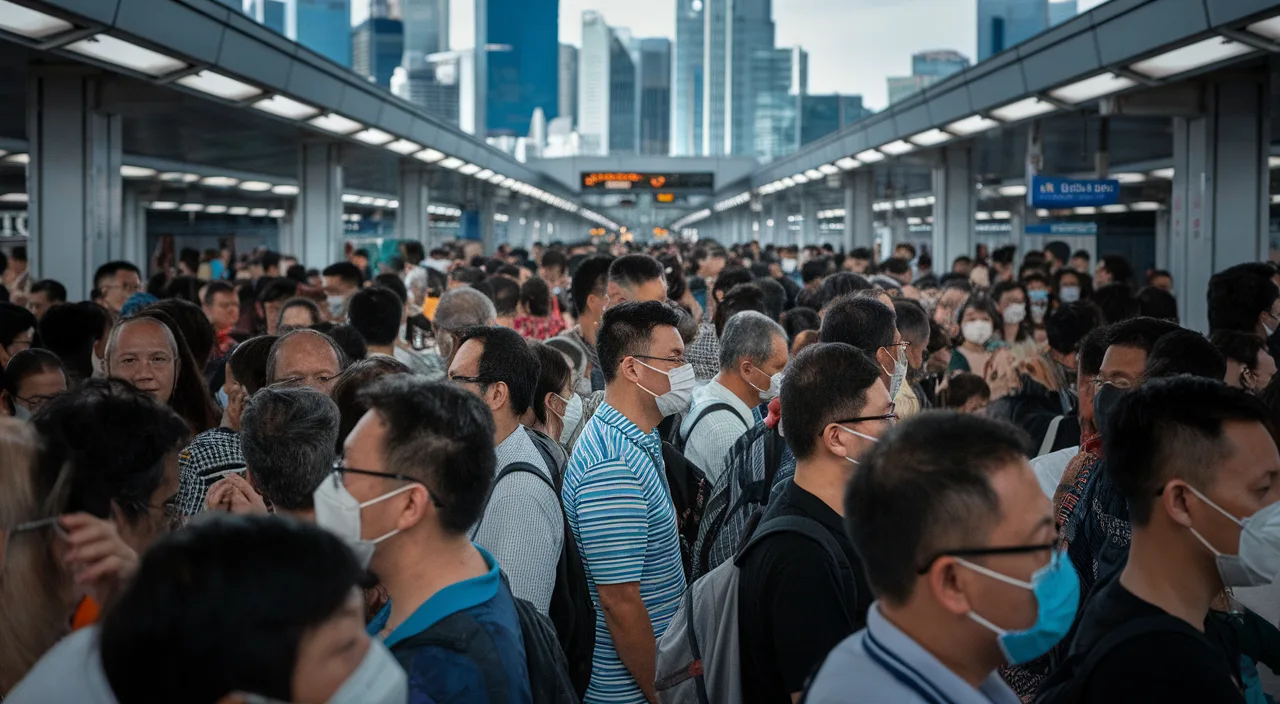
Kiasu means being afraid to lose out. In Singapore, the Hokkien-derived word describes behaviour driven by a strong desire to secure an advantage, avoid missing an opportunity or prevent someone else from getting ahead. It can be practical and resourceful, but it can also become inconsiderate when winning matters more than other people.
What does kiasu mean?
The Oxford English Dictionary records kiasu as a Singapore and Malaysian term for a self-interested or grasping attitude arising from fear of losing out. The word is commonly explained through Hokkien: kia conveys fear and su refers to losing. Read the Oxford English Dictionary entry for kiasu for its documented English usage.
Kiasu is usually an adjective: “He is very kiasu.” Singaporeans also use kiasuism for the broader mindset and kiasu behaviour for actions shaped by it. Tone matters. Among friends, the label can be affectionate teasing; in a crowded public space, it can be criticism.
Common examples of kiasu behaviour
- Promotions: arriving early or comparing every deal so nothing better is missed.
- Queues: joining a line before knowing exactly what it is for because the opportunity may disappear.
- School and work: over-preparing because falling behind feels unacceptable.
- Travel: planning every booking, meal and route well in advance.
- Hawker centres: securing a table before ordering food. This overlaps with Singapore’s chope culture, although chope is a reservation custom rather than a synonym for kiasu.
Is being kiasu good or bad?
Kiasu behaviour is not automatically negative. Careful preparation, price comparison and early planning can save money and reduce uncertainty. The same instinct becomes a problem when it encourages queue-cutting, hoarding, unnecessary competition or pressure on other people.
A useful test is simple: does the action improve your readiness without unfairly limiting someone else? Booking early is preparation. Blocking others or taking more than you need is inconsiderate. The difference is not ambition itself but how that ambition affects the community.
Kiasu, competitive and FOMO: what is the difference?
Competitive people usually want to win. Someone experiencing FOMO worries about missing an experience. A kiasu person is especially concerned about losing an advantage or ending up worse off than others. The ideas overlap, but kiasu often combines anticipation, comparison and defensive preparation in a recognisably Singaporean way.
-

Animal, Chinese, Graphic, KaoBeiKing, T-shirts, Valentines
Price range: $30.00 through $38.00 Select options This product has multiple variants. The options may be chosen on the product page -
How to use kiasu naturally
In casual conversation, you might say, “I booked the tickets the moment sales opened—quite kiasu, but at least we got seats,” or “Don’t be so kiasu; everyone will get a sample.” Avoid using the word as a serious character judgement in formal situations unless you explain the behaviour you mean.
How to balance kiasu instincts with graciousness
Keep the useful side: research, prepare and arrive on time. Drop the harmful side: do not push ahead, over-order scarce items or treat every shared resource as a contest. Healthy kiasu energy helps you plan; gracious behaviour ensures your preparation does not come at another person’s expense.
Frequently asked questions
What does kiasu mean in Singapore?
Kiasu means afraid to lose out. It describes a strong desire to avoid missing opportunities or falling behind.
Is kiasu a Hokkien word?
Yes. It is commonly explained from Hokkien elements meaning fear and lose, and it is widely used in Singapore English.
Is calling someone kiasu insulting?
It depends on tone and context. It may be affectionate teasing, neutral description or criticism of selfish behaviour.
What is an example of kiasu behaviour?
Booking a popular deal immediately because you fear it will sell out is a common example. Cutting a queue to secure it would be the inconsiderate version.