
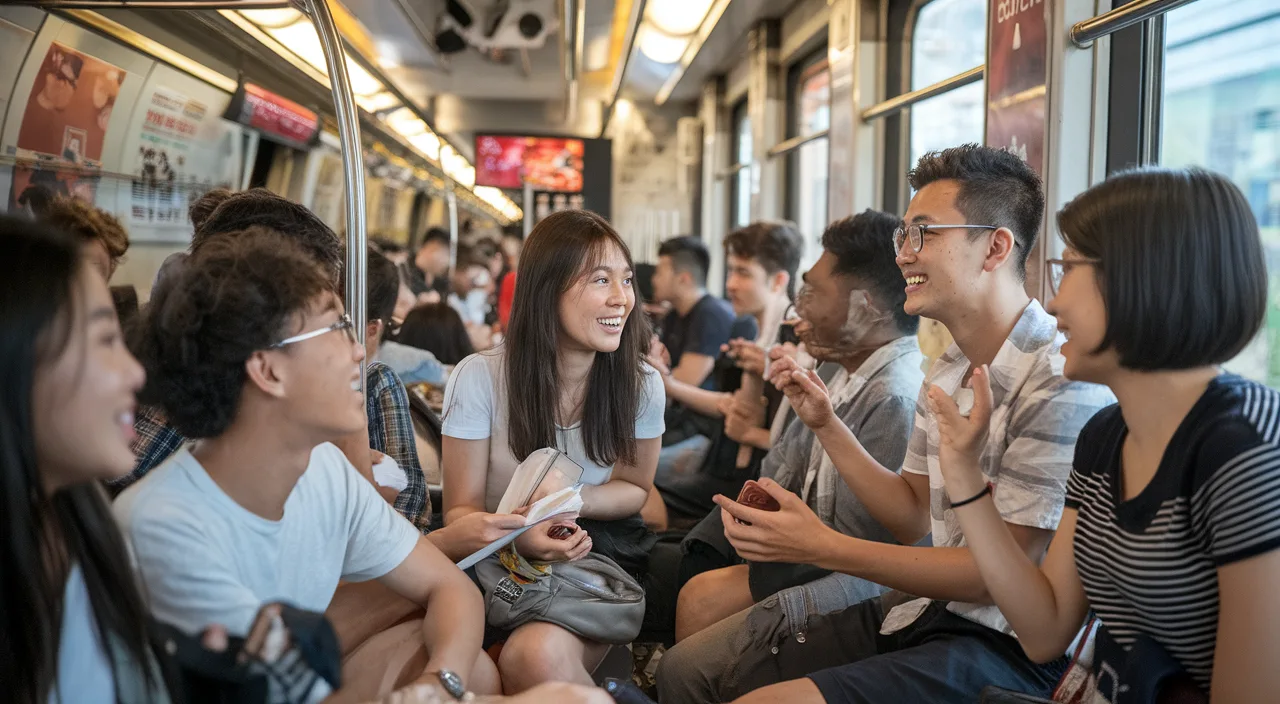
What Does ‘Gila’ Mean in Singlish?
Simply put, ‘Gila’ means someone or something is mad, crazy, or over-the-top—and in Singapore, using this Singlish word is practically a cultural ritual. Originating from Malay, Gila (pronounced “gee-lah”) has become an essential part of Singaporean slang used not just to criticize, but to amuse, exaggerate, and even show affection.
-

Chinese, Chinese New Year, Ladies, Mens, T-shirts
Price range: $30.00 through $38.00 Select options This product has multiple variants. The options may be chosen on the product page

TL;DR Summary
- Meaning: Gila comes from Malay and means ‘crazy’ or ‘mad’.
- In Singlish: Used to describe people or things that are ridiculous, wild, or over-the-top.
- Emotional Depth: Has nostalgic and humorous undertones, often used with affection.
- Linguistic Heritage: Reflects Singapore’s multilingual roots and cultural identity.
- Usage Today: Still widely used by Gen Z and older generations — from hawker centres to TikTok comments.
- Why It Matters: Shows how language evolves, adapts, and connects people through shared understanding.
Understanding ‘Gila’ in Singaporean Context
Origins and Cultural Meaning
Let’s start with the basics. In standard Malay, gila directly translates to ‘crazy’ or ‘mad’. But in our Singlish dictionary, you’ll find it represents much more than simple madness. As Singapore developed into a melting pot of languages—English, Malay, Hokkien, Tamil, Cantonese, and more—certain words transcended their original boundaries. Gila stuck around because it’s incredibly expressive, punchy, and endlessly versatile in Singaporean slang.
In Singaporean English, Gila doesn’t just describe clinical madness. It can describe someone acting dramatically, unreasonable prices (“$20 for chicken rice? Gila ah!”), or a friend doing risky stunts. It’s theatrical, yes—but that’s exactly what makes this Singlish word so perfect for our expressive culture.
Cultural Significance in Modern Singapore
If language mirrors culture, then Gila is our funhouse mirror. It reflects our uniquely Singaporean way of being dramatic yet endearing. This Singlish phrase cuts deep without being cruel. It’s the verbal seasoning that makes our everyday conversations distinctly ours. Like many Singaporean slang terms, Gila thrives in informal settings—coffee shops, classrooms, taxis, and increasingly, digital spaces where authentic Singaporean English shines.
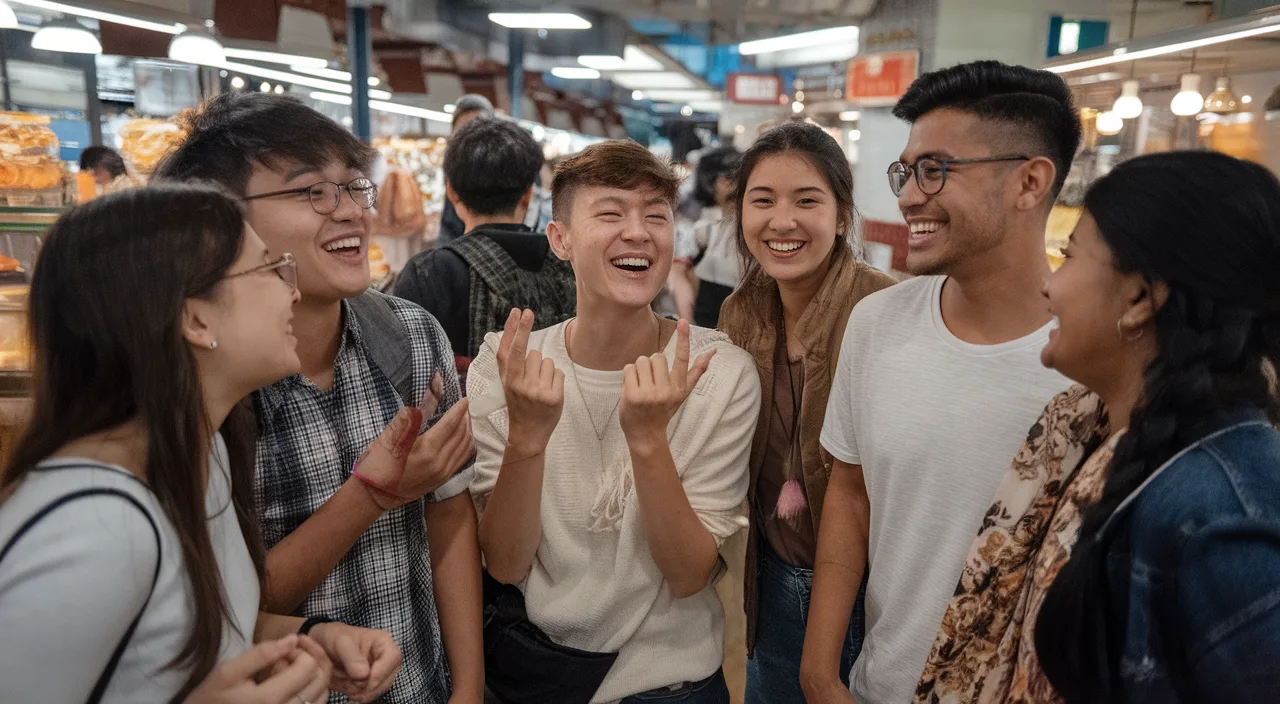


How Singlish Shaped Singapore’s Identity
Colonial Influence on Singaporean English
Understanding Gila means exploring our linguistic history. When Singapore was a British colony, English became the language of administration and commerce. But locals didn’t passively accept it—we transformed it completely. We mixed in Malay expressions, added Hokkien flavor, and seasoned it with Cantonese and Tamil phrases. This is how Singaporean English—our beloved Singlish—developed its unique character that no other English variant possesses.
Throughout this evolution, Gila maintained its position in our Singlish dictionary. Despite educational campaigns promoting “proper English” and grammar standardization, this Malay-rooted word held its special place in our hearts and conversations. After all, what other language allows you to scold and bond with someone simultaneously?
Singlish’s Role in Cultural Identity
Singaporean slang isn’t just about grammar shortcuts and unique vocabulary. It’s how we signal belonging—who we are, where we come from, and who we’re connecting with. Using Gila in conversation instantly communicates: “We share the same cultural understanding.” It carries emotions, context, and personality that standard English simply cannot capture.
Compare telling someone they’re “completely irrational” versus “Eh, Gila ah, you?” One feels clinical. The other? A perfect blend of humor, exaggeration, and community connection that defines authentic Singaporean expression.
Gila in Contemporary Conversations
Real-World Usage Examples
So how do Singaporeans actually use Gila in daily conversations? Context and tone are everything. It can be playful (“Wah, you Gila leh!”), disapproving (“You Gila ah? Drive like this very dangerous!”), or admiring (“Crazy lah you. Really Gila, but respect.”).
Here are authentic examples of this Singlish word in action:
- Social Media: “This outfit absolutely Gila level sia!”
- Hawker Centre Chat: “He ate five plates of nasi lemak. Gila one this guy.”
- Workplace Conversations: “Boss suddenly wants me to redo everything. Gila right?!”
- Traffic Complaints: “That driver just cut in without signaling, Gila behavior!”
Why Gila Enhances Singaporean Communication
Ever notice how standard English sometimes feels emotionally flat? When Singlish takes over, words like lah, sia, and Gila add genuine emotion, rhythm, and personality. Gila is that extra chili that transforms ordinary conversation into distinctly Singaporean expression.
Consider this comparison:
-
-
KaoBeiKing, Men, Singlish/Hokkien, T-shirts, Typography, Valentines
Price range: $30.00 through $38.00 Select options This product has multiple variants. The options may be chosen on the product page


- “That concert was extremely loud.” = Standard English description.
- “That concert was Gila loud sia!” = Authentic Singaporean experience.
One delivers information. The other conveys genuine feeling and cultural connection.
The Cultural Impact of Gila
Emotional Connections and Community Bonding
Here’s what makes Gila special: it creates instant community. It evokes shared experiences—whether it’s surviving a Gila exam period, enduring crazy MRT delays, or dealing with that friend who’s perpetually late but somehow always charming. This Singlish phrase can be affectionate, pointed, sarcastic, or comforting—sometimes all simultaneously.
Singaporeans might not explicitly say “this word matters to me emotionally,” but watch our reactions when someone uses Gila perfectly. It sparks laughter, knowing nods, and often launches entire conversations about whatever Gila situation we’re discussing. It’s a cornerstone of our collective expression—funny, dramatic, and completely authentic.
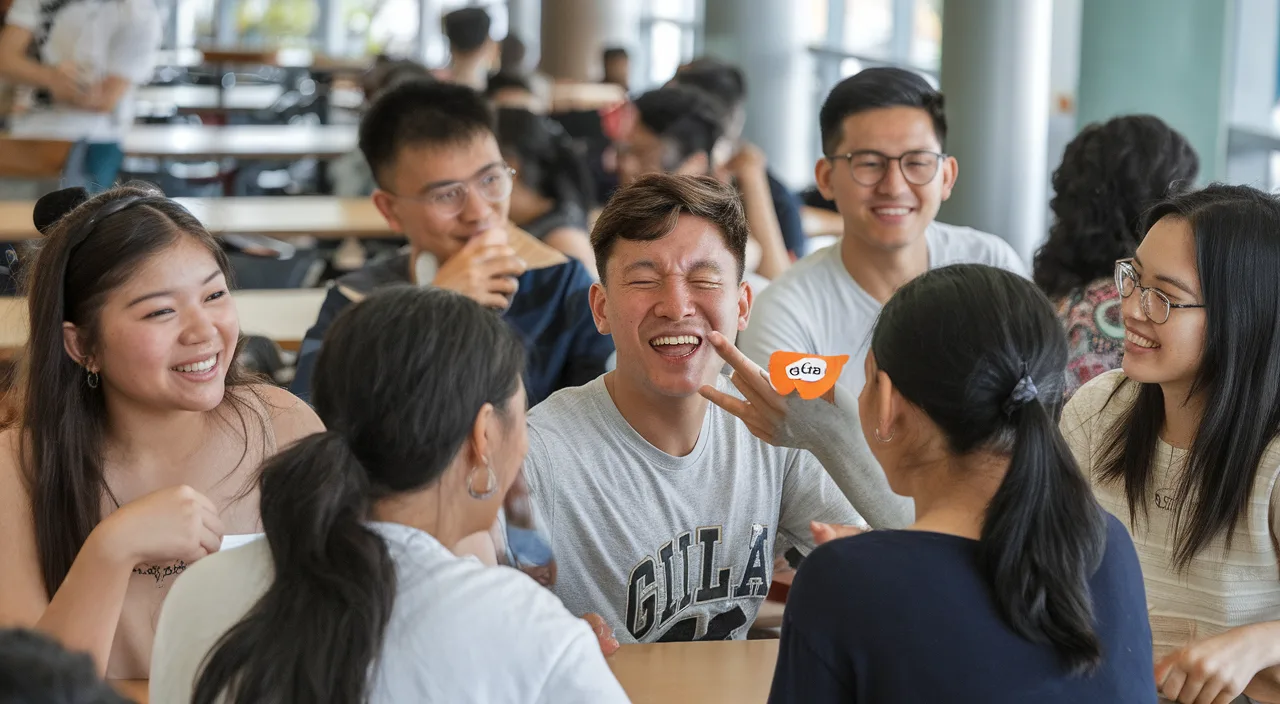
Preserving Singapore’s Linguistic Heritage
As Singapore modernizes, debates continue around Singlish—does it help or hinder our English proficiency? But here’s what critics miss: Singaporean slang like Gila isn’t a linguistic limitation. It’s a cultural asset. These words demonstrate our creativity, adaptability, and unique identity in a globalized world.
Rather than suppressing these expressions, we should celebrate, document, and use them proudly. Every time we say Gila, we keep our distinctive linguistic heritage alive and thriving.
Embracing Authentic Singaporean Expression
We often say Singlish is Singapore’s soul—and Gila represents one of its most vibrant, expressive elements. Whether you’re a local reconnecting with your roots or a newcomer learning authentic Singaporean communication, understanding how to use Gila appropriately gives you genuine cultural insight and connection.
This simple word encapsulates exaggeration, emotion, history, and humor. Yet it flows naturally in conversation—just another delicious ingredient in the rich linguistic rojak that makes Singaporean English so uniquely ours.
So embrace it. Use Gila in your next conversation. You might just Gila your way into someone’s heart—and into a deeper appreciation of what makes Singapore’s language culture so special.
Frequently Asked Questions
1. What does Gila mean in Singlish?
Gila means ‘crazy’ or ‘mad’ and is often used playfully in Singlish for exaggeration or emphasis.
2. Is Gila a bad word?
Not necessarily. While it originally means ‘crazy’, in Singlish it’s often used humorously or affectionately.
3. Where did the word Gila come from?
It originates from Malay and has been adopted into everyday Singlish through cultural and linguistic evolution.
4. How do I use Gila in a sentence?
Example: “You buy 5 pairs of shoes in one day? Gila sia you!”
5. Why is Gila important in Singaporean slang?
Because it’s expressive, emotionally versatile, and reflects the multicultural nature of Singapore’s society.
6. Is it rude to say Gila?
Depends on tone and context. Among friends, it’s often fine. Use tact when using it in formal or unfamiliar settings.
7. Do young Singaporeans still use Gila?
Yes! It continues to thrive in face-to-face chatter and social media among Gen Z and millennials alike.